Author: Vellis Team
-

Best Practices for Multi-Currency Liquidity Management
Multi-currency liquidity management is the process of optimizing cash positions across different currencies, accounts, and jurisdictions to ensure funds are used efficiently. For global businesses, managing liquidity in multiple currencies is crucial to minimize foreign exchange risk, maintain payment readiness, and make the most of available capital.
-

What is a Payment Aggregator or a Merchant Aggregator?
A payment aggregator, also called a merchant aggregator, is a service provider that allows businesses to accept online payments without opening a separate merchant account with a bank. Mainly it acts as an intermediary between merchants, customers, and financial institutions, and simplifies digital payment processing.
-

What Is a Payment Middleware?
Businesses rely on seamless and secure payment flows to keep operations running smoothly. But behind every “Payment Successful” message lies a complex network of systems that must communicate efficiently, aided by payment middleware.
-

Closed Loop Card: Definition, How It Works
A closed loop card is a type of payment card that can only be used within a specific store, brand, or group of affiliated merchants. You’ve probably used one before without realizing it: store gift cards, e-gift vouchers, or loyalty cards from your favorite retailers.
-

Open Loop Card: What It Is, How It Works
Flexible payment tools have become indispensable for both consumers and businesses. Due to this, open loop cards have gained traction — a versatile payment solution that functions much like a debit or credit card, but without being tied to a specific retailer.
-

What is BIN Sponsorship?
Companies today launch new card programs, payment apps, and embedded finance solutions at record speed. Ever wondered how non-banks — like fintech startups — can issue cards or process payments without being a licensed financial institution?
-

Closed-Loop vs. Open-Loop Payment System
Closed-loop and open-loop payment systems are the two main structures that govern how transactions are processed, authorized, and settled. Understanding the difference is crucial for businesses, merchants, and consumers managing payment solutions.
-
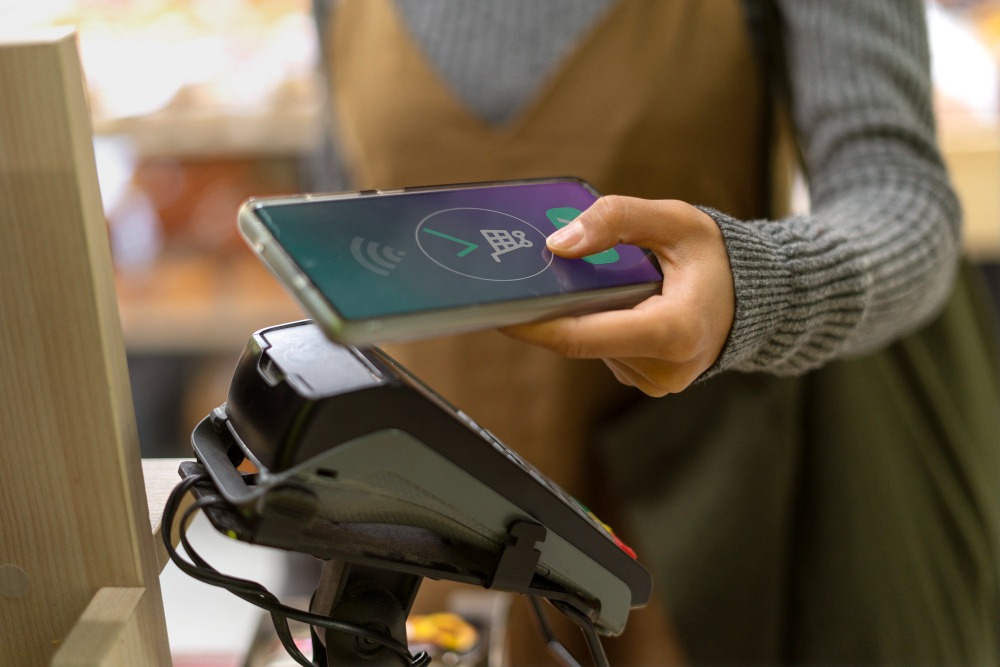
What is a Virtual Terminal?
A virtual terminal is a secure, web-based payment interface that lets businesses accept credit or debit card payments without using a physical card reader. It’s ideal for merchants handling remote orders by phone, email, or online, such as freelancers, service providers, or call centers.
-

How to Handle Payment Processing for Seasonal Businesses
Running a seasonal business is exciting, especially the thrill of seeing sales surge during your peak months and the satisfaction of serving customers when demand is high. But there’s also a major challenge: how do you manage payments efficiently when your revenue fluctuates throughout the year?
-

What Is Vendor Onboarding? Best Practices and Process
Vendor onboarding is the structured process of collecting, verifying, and approving new suppliers so they can work with a company. It reduces risk, streamlines procurement, and builds strong supplier relationships.