Author: Vellis Team
-

Optimising E-commerce Checkout to Reduce Payment Drop-Offs
Ecommerce checkout payments refer to the process that allows customers to complete purchases using online payment systems, from entering billing information to confirming the transaction.
-

Handling Recurring Payments in E-commerce: What You Need to Know
Ecommerce recurring payments processing is an automated billing model that charges customers at set intervals without manual action. It has become essential for subscription services, SaaS tools, memberships, and even everyday online retail because it keeps payments predictable and reduces churn.
-
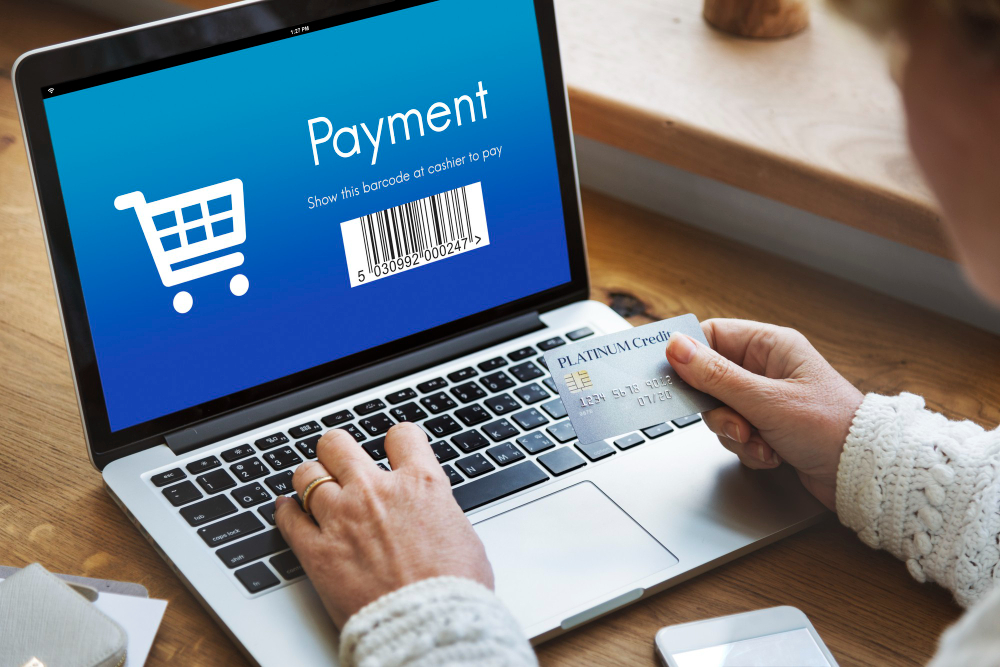
E-commerce Payment Reconciliation: Best Practices for Online Merchants
Ecommerce payment reconciliation is the process of matching online transaction data with bank deposits and internal accounting records. It helps merchants confirm that every sale, refund, and fee recorded on their platform aligns with what reaches their bank.
-

KYC/AML Considerations for Stablecoin Payment Services
KYC (Know Your Customer) and AML (Anti-Money Laundering) are essential safeguards in financial services. KYC ensures providers verify the identity of users, while AML frameworks detect and prevent illicit activity.
-

Streamlining Customer Onboarding with Open Banking APIs
Customer onboarding is the process through which financial institutions and fintechs verify and register new customers, granting them access to banking services or digital financial products.
-

How Open Banking Drives Financial Innovation
Open banking is a system that allows banks and financial institutions to share customer data securely with approved third-party apps and services. It reshapes traditional banking by giving people more control over their financial information and allowing fintechs to build smarter tools on top of existing bank infrastructure.
-
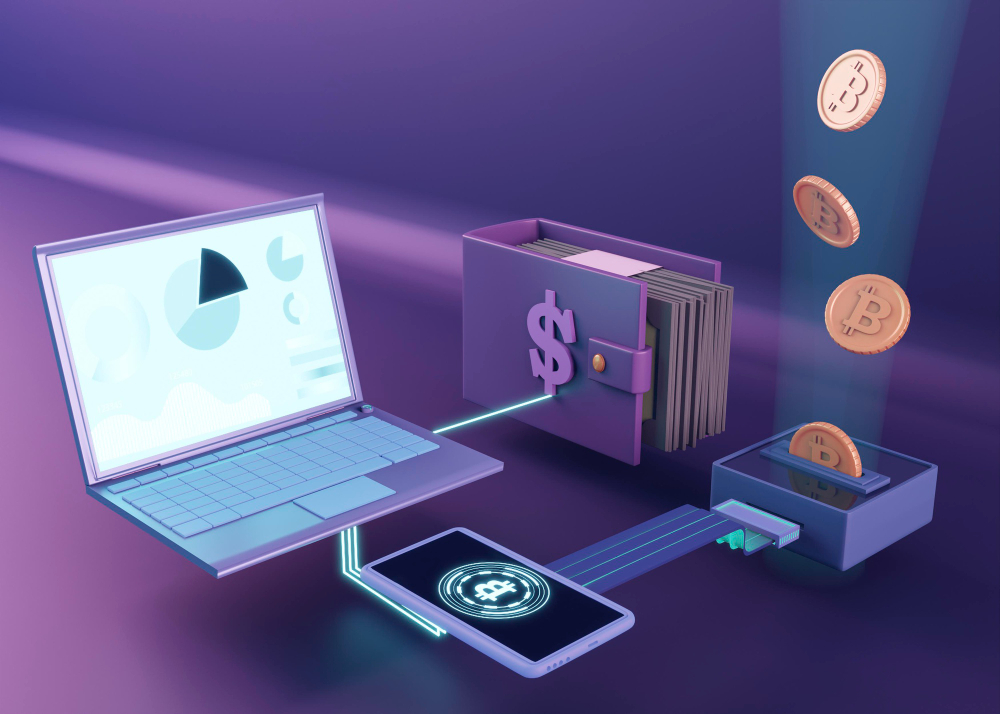
The Future of Global Payments: Role of Stablecoins and Payment Processors
Global payments are rapidly evolving toward faster, borderless, and more transparent systems. Businesses and consumers now expect instant transfers, lower fees, and reliability that traditional banking often can’t deliver.
-

How SMEs Can Leverage Stablecoins for Payments and Growth
Stablecoin for SME payments is changing how small and medium-sized businesses operate worldwide. These digital assets make cross-border payments faster, cheaper, and more transparent than traditional banking systems.
-

How Stablecoins Accelerate Settlement Times in Payments
To start with, stablecoins act as digital currencies designed to maintain a steady value, linking the speed of blockchain with the reliability of traditional money. Within payment systems, they function as a bridge, allowing businesses and users to move funds instantly without waiting for banks or intermediaries.
-

Stablecoins and Volatility Risk: What Payment Businesses Should Watch
Stablecoins are built to deliver predictable value, yet stablecoin volatility risk remains a key concern as liquidity gaps, market sentiment, and reserve management challenges can still disrupt stability.