
The global wellness industry is in the midst of a massive gold rush. Everyone wants a piece of the international market, but the biggest hurdle isn’t shipping, no, it’s the friction at the checkout. Between high-risk labels and fluctuating exchange rates, the dreaded “declined” button often kills conversions instantly. This technical tension destroys brand trust before a bottle even leaves the warehouse. To win globally, brands need an infrastructure that prioritizes cross-border supplement payments while maintaining ironclad security. Success depends on making sure your financial plumbing is as healthy and reliable as the products you actually sell. Read on to find out what more.
Why the Supplement Industry is High-Risk Globally
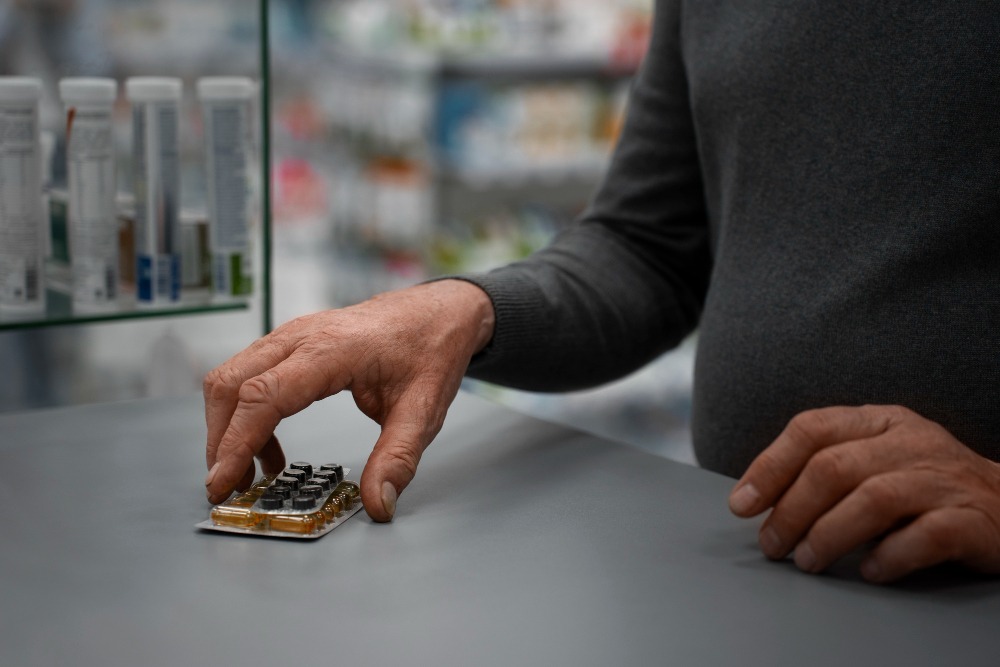
To a traditional banker, nutraceutical often translates to “unpredictability.” Financial institutions are risk-averse, and since supplements sit in a gray area between food and medicine, banks worry about liability and high chargeback rates. This skepticism makes the industry a permanent resident on the “high-risk” list.
The complexity spikes when products cross borders. An ingredient approved by the FDA might be restricted by the EFSA in Europe. If your payment processor doesn’t understand these nuances, you risk flagged transactions or heavy fines. This is exactly why standard gateways often fail health brands without warning.
Securing a specialized supplement merchant account is the only way to prevent sudden account freezes. These providers understand the industry’s unique hurdles and ensure your “financial plumbing” stays functional. In this manner you would remain compliant with regional banking rules that change as fast as the trends themselves.
Solving the Conversion Crisis
If a shopper in Berlin sees a price in USD, they are 50% more likely to abandon their cart. Forcing customers to calculate exchange rates creates instant friction. Using Dynamic Currency Conversion (DCC) solves this by displaying local prices in real-time, removing “sticker shock” and building immediate trust.
Alternative Payment Methods (APMs)
A Visa or Mastercard logo isn’t always enough. In Europe, many prefer SEPA transfers, while shoppers in Asia may rely on AliPay. Smoothing out cross-border supplement payments means meeting customers where their digital wallet already lives. By offering localized payment methods such as Vellis has to offer, alongside familiar languages, you eliminate the final hurdle in the buyer’s journey. It isn’t just a convenience; it’s the difference between a bounce and a successful international sale.
Security & Fraud Mitigation
High-risk sectors like the supplement industry are primary targets for “friendly fraud” and excessive chargebacks. When selling globally, these risks multiply, making tools like 3D Secure 2.0 an absolute necessity rather than an optional feature. This protocol adds a layer of verification that protects the merchant from liability without ruining the user experience.
True secure international payments are thus made to upscale your protection and act more than just basic encryption. They require sophisticated fraud scrubbing that can distinguish between a malicious bot and a legitimate customer in a different time zone. Finding the right balance is critical, with that in mind, over-zealous security filters will accidentally block honest buyers and kill your sales, while a lax approach will eventually see your business shuttered by banking penalties.
Choosing the Right Banking Partner

Finding a processor that treats your supplement brand as a partner rather than a liability is the final piece of the global puzzle. You need a setup that offers both stability and a clear view of your overhead.
- Multi-currency Settlement: Look for providers that allow you to settle in your home currency. This avoids the constant “double conversion” of funds that eats into margins.
- Interchange Plus Pricing: Avoid the so-called black list of flat rates. Interchange advantageous offers total transparency, breaking down the exact cost from the card network plus a fixed markup.
- Chargeback Management Tools: Since supplements attract disputes, integrated tools like automated alerts are vital for defending your revenue.
- Robust API Integration: Your payment gateway shouldn’t be an island. Ensure it offers a clean, modern API that plugs directly into your existing e-commerce stack.
Opportunities throughout: New Global Revenue Streams
The opportunity for supplement brands in 2026 is massive, with the global dietary supplement market projected to reach approximately $232.8 billion this year. For example, health-conscious consumers in regions like Asia-Pacific and Latin America are actively seeking out premium, scientifically-backed products. This shift has turned the ability to process payments across borders from a luxury into a survival requirement. Modern cross-border infrastructure now offers instant settlement and real-time liquidity, allowing brands to bypass traditional bank delays and reinvest capital much faster. Tapping into these global corridors allows wellness companies to escape domestic market saturation. They can finally reach millions of new customers who are increasingly comfortable with direct-to-consumer international shopping.
The Path to GLobal Growth
All in all, the international supplement market is wide open, but only for brands that bother to fix their financial plumbing. If businesses were to focus on localization, specialized merchant accounts, and smart fraud prevention, they can turn a clunky global checkout into a seamless experience that actually converts. Ready to take your brand global? Get a consultation on your payment stack today with Vellis and stop leaving international revenue on the table.
FAQs
Why is the supplement industry considered high-risk by banks?
Banks worry about shifting global regulations, potential health liabilities, and the historically high rate of customer chargebacks and disputes.
What is a supplement merchant account?
It is a specialized payment processing account designed to handle the unique regulatory and financial risks of the nutraceutical industry.
How does local currency display improve sales?
Showing local prices via Dynamic Currency Conversion prevents “sticker shock” and eliminates the 50% bounce rate caused by foreign totals.
What are Alternative Payment Methods (APMs)?
These are non-card options like SEPA or digital wallets that match local shopping habits in specific international regions.
Why is 3D Secure 2.0 necessary for global sales?
It provides essential fraud protection and shifts liability away from the merchant while maintaining a smooth, modern checkout experience.
References
Rapyd: Top 8 Challenges in Cross-Border Payments and How to Overcome Them
CellPoint Digital: Cross-Border Payments: The Issues and Challenge
https://cellpointdigital.com/articles/blog/cross-border-payments-the-issues-and-challenges
Scalefocus: Uncover Cross-Border Payments [Complete Guide for 2025]
https://www.scalefocus.com/blog/cross-border-payments-guide
Novalnet: 3 Mistakes to Avoid in Cross-Border Payments
Leave a Reply