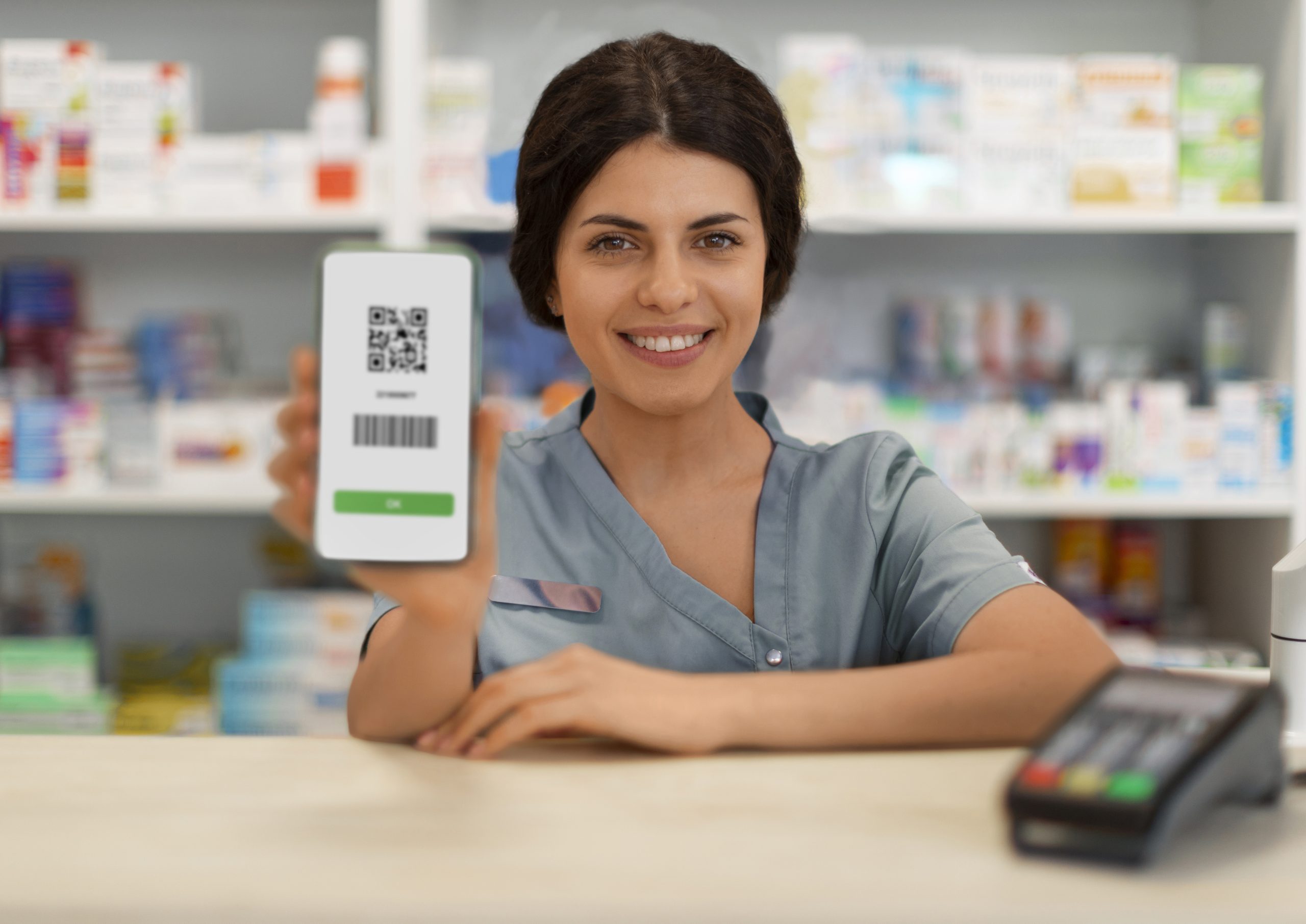
Modern pharmacies operate at the intersection of healthcare, insurance, retail commerce, and financial technology. Behind every prescription pickup or online refill lies a complex infrastructure that handles payments, insurance claims, and secure patient data management.
Understanding how pharmacy payment processing works helps illustrate why pharmacies rely on specialized financial systems rather than generic retail payment solutions.
This article explores how payment processing works for pharmacies and how they utilize specialized ecosystems designed to maintain accuracy, speed, and patient trust.
The Unique Nature of Pharmacy Payments

Unlike traditional retail stores, pharmacies often process transactions involving multiple parties.
A single prescription purchase may involve the patient, a pharmacy benefit manager (PBM), an insurance company, and the pharmacy’s payment processor.
For example, when a patient picks up medication, the payment system may need to verify insurance eligibility, calculate the patient’s co-pay, submit a claim to the insurer, and collect payment for the remaining balance.
Many modern pharmacy point-of-sale systems can verify eligibility and submit insurance claims in real time during checkout, streamlining the process and reducing paperwork.
Because of this complexity, pharmacies need systems that integrate retail payment processing with healthcare-specific workflows.
The Basic Payment Processing Workflow in Pharmacies
Although pharmacy payments can involve several steps, the core workflow follows a similar structure to other merchant transactions, with additional healthcare-specific elements.
First, the patient presents a prescription and payment method. This might involve a debit or credit card, mobile wallet, cash, insurance card, or health savings account (HSA) card.
Modern pharmacy POS systems support many payment options, including mobile money, digital wallets, and bank cards, enabling pharmacies to accommodate different patient preferences.
Next, the pharmacy’s POS system records the transaction and sends payment information through a secure payment gateway. The gateway encrypts and forwards the transaction data to the payment processor and acquiring bank.
The processor communicates with the relevant card network or bank to verify that funds are available. Once approved, the sale then proceeds.
Finally, the payment is settled and transferred to the pharmacy’s merchant account, usually within one to three business days.
The Role of Pharmacy POS Systems
A pharmacy POS system is the technological hub that connects prescription management, inventory tracking, insurance billing, and payment processing.
When a medication is dispensed, the POS links the transaction to the patient’s prescription record, creating a traceable audit trail from the physician’s order to the completed sale.
This helps pharmacies maintain regulatory compliance and ensures accurate billing.
Modern POS systems also handle several key tasks simultaneously, including:
- Barcode scanning for medication verification
- Inventory updates after each sale
- Insurance claim submission
- Copay calculation
- Payment acceptance through multiple channels
Because pharmacy workflows involve strict regulatory requirements and sensitive patient information, the POS system acts as the central control point for operational efficiency and compliance.
Insurance and Co-Pay Processing
Insurance payments are one of the most distinctive elements of pharmacy transactions.
When a patient presents an insurance card, the pharmacy system submits a digital claim to the insurer or pharmacy benefit manager.
The claim typically includes details such as the medication’s national drug code (NDC), quantity dispensed, prescribing physician, and patient eligibility information.
The insurer then determines the coverage level and calculates the patient’s co-pay amount.
Once the claim is adjudicated in real time, the pharmacy’s POS system displays the patient’s co-pay, which the patient pays at checkout.
The insurer later reimburses the pharmacy for the remainder of the medication’s approved cost.
Real-time claims processing significantly improves pharmacy cash flow and reduces administrative burden compared with manual reimbursement processes.
Types of Payment Methods Accepted by Pharmacies
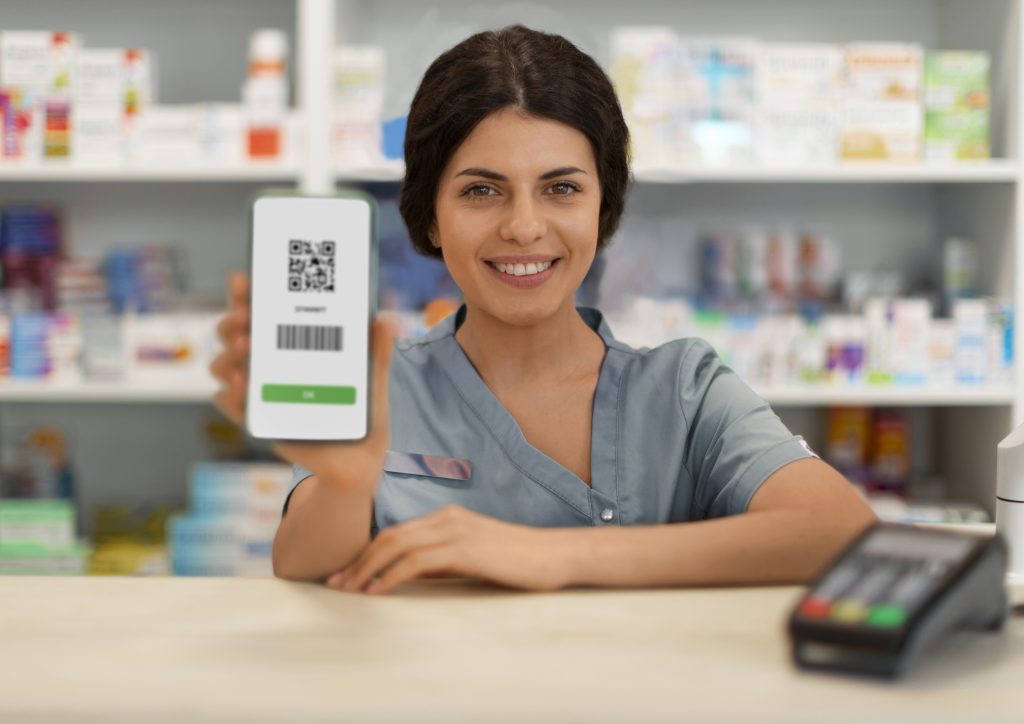
Pharmacies must support a broad range of payment options to serve patients effectively. Unlike many retail environments, pharmacies must accommodate healthcare-specific payment instruments alongside traditional payment methods.
Common payment methods include:
- Credit and debit cards
- Cash payments
- Digital wallets and contactless payments
- Health Savings Account (HSA) cards
- Flexible Spending Account (FSA) cards
- Insurance co-pays
- Mobile money or bank transfers in some regions
Accepting multiple payment methods improves checkout convenience and ensures patients can pay using the method most accessible to them.
Many pharmacy POS systems also allow split payments, combining insurance coverage with direct payment for the remaining balance.
Compliance and Security in Pharmacy Payments
Regulatory compliance is crucial for pharmacy payment processing. Pharmacies must comply with strict healthcare and payment security standards because they handle both financial data and protected health information.
Two key compliance frameworks govern pharmacy payment systems:
- HIPAA (Health Insurance Portability and Accountability Act): HIPAA requires pharmacies to protect sensitive patient health information and ensure secure handling of medical records.
- PCI DSS (Payment Card Industry Data Security Standard): PCI DSS ensures that credit card data is transmitted and stored securely through encryption, tokenization, and secure network infrastructure.
Specialized pharmacy payment platforms must meet both standards simultaneously, ensuring the protection of payment data and patient health information.
Strong security controls also help prevent fraud, identity theft, and unauthorized access to patient accounts.
Online Pharmacy Payment Processing
Telemedicine and online pharmacies have expanded the role of digital payments in the pharmaceutical sector, enabling secure e-commerce transactions while complying with healthcare regulations.
In this environment, payment processing involves several additional elements:
- Secure patient portals for payment
- Identity verification to prevent prescription fraud
- Encrypted payment gateways
- Automated billing for recurring prescriptions
Online pharmacies are often considered higher-risk merchants due to potential fraud risks, regulatory oversight, and cross-border transactions. As a result, payment processors may require additional compliance checks before approving pharmacy merchant accounts.
Despite these challenges, digital payment infrastructure allows pharmacies to deliver medications conveniently while maintaining secure financial operations.
Fraud Prevention and Risk Management
Healthcare payment systems face unique fraud risks, including stolen payment credentials, fake prescriptions, and identity theft.
To mitigate these risks, pharmacies rely on advanced fraud detection tools built into payment processing platforms through:
- Real-time transaction monitoring
- Address verification systems
- Card verification codes
- behavioral analytics for unusual purchasing patterns
Fraud prevention is especially important for online pharmacies, where remote transactions increase the likelihood of fraudulent activity.
Maintaining secure transaction environments helps pharmacies protect both their revenue and patient trust.
Integration with Pharmacy Management Systems
Payment processing in pharmacies integrates directly with broader pharmacy management software that handles inventory, prescription records, and regulatory reporting.
Benefits include automatic syncing of payment information with patient records, reducing manual data entry and administrative errors. It also allows automated reconciliation between patient payments and insurer reimbursements.
Additionally, integrated systems synchronize inventory levels when medications are sold, helping pharmacies maintain accurate stock levels and reduce operational inefficiencies.
The Importance of Scalable Payment Infrastructure
As pharmacies expand their services, they require payment infrastructure that can scale with demand.
Pharmacies increasingly rely on secure and scalable payment processing solutions that support multiple sales channels, including in-store transactions, mobile payments, online portals, and recurring billing systems.
Scalable payment infrastructure enables pharmacies to handle growing transaction volumes while maintaining consistent performance, security, and regulatory compliance.
This is valuable for large pharmacy chains, telehealth platforms, and specialty pharmacies managing high-value medications.
The Future of Pharmacy Payments

The pharmacy payment landscape continues to evolve alongside advancements in digital health technology and financial services.
Several emerging trends are shaping the future of pharmacy payments:
- Digital health ecosystems: Digital pharmacy systems allow patients to receive prescriptions, order medications, and complete payments within a single digital workflow.
- Mobile-first payment experiences: Contactless payments, mobile wallets, and QR-based payment systems are becoming standard across healthcare retail environments.
- Automation and AI: Automated claims processing, fraud detection algorithms, and predictive analytics are helping pharmacies improve operational efficiency and reduce payment errors.
- Patient-centric financial tools: Flexible payment options, automated refill billing, and digital invoicing are improving the patient payment experience.
As healthcare continues to digitalize, pharmacies will increasingly rely on integrated, technology-driven payment systems that support both traditional retail transactions and modern digital healthcare services.
By investing in robust payment infrastructure, pharmacies can improve patient experience, streamline operations, and maintain the highest standards of security and compliance.
Frequently Asked Questions (FAQs)
What is pharmacy payment processing?
Pharmacy payment processing refers to the systems and technologies that securely handle transactions between patients, insurers, banks, and pharmacies for prescriptions and healthcare products.
Why is payment processing more complex for pharmacies than other retailers?
Pharmacies must manage insurance claims, patient co-pays, healthcare compliance requirements, and sensitive medical data alongside standard payment transactions.
How do pharmacies keep payment and patient data secure?
Pharmacies use encrypted payment gateways, PCI DSS standards for card security, and HIPAA-compliant systems to protect both financial and patient health information.
References
PCI Security Standards Council. (n.d.). Payment Card Industry Data Security Standard (PCI DSS): Quick guide. Retrieved from https://www.pcisecuritystandards.org/documents/PCI_DSS-QRG-v3_2_1.pdf
U.S. Department of Health & Human Services. (n.d.). Health Insurance Portability and Accountability Act (HIPAA) security rule. Retrieved from https://www.hhs.gov/hipaa/for-professionals/security/index.html
National Association of Boards of Pharmacy. (n.d.). Rise of Digital Pharmacy: How Emerging Technologies are Changing the Practice. Retrieved from https://nabp.pharmacy/news/blog/rise-of-digital-pharmacy-how-emerging-technologies-are-changing-the-practice/
Leave a Reply