Buy Now Pay Later has evolved far beyond its early days as a simple checkout option. What started as a way to split payments into manageable installments has grown into a sophisticated financial layer embedded across digital commerce, apps, and services.
As real-time underwriting becomes faster, artificial intelligence more precise, and payments more seamlessly integrated into everyday platforms, BNPL is reshaping how consumers and businesses interact. It now facilitates smarter credit decisions, deeper platform integration, and an expanding financial ecosystem built around flexibility and speed.
With global adoption accelerating, providers are investing heavily in AI-driven risk models, embedded finance partnerships, and new use cases that extend well beyond retail. Together, these forces are defining the next phase of BNPL innovation.
Understanding the Future Landscape of BNPL
To understand where BNPL is going, it helps to look at how it functions today.
At its core, BNPL allows customers to spread the cost of a purchase over multiple installments while merchants receive payment upfront. These models rely on short-term installment lending, merchant agreements that absorb part of the cost, and fast onboarding flows designed to minimize checkout friction.
BNPL services are becoming a default option across many markets. Shoppers increasingly expect installment choices to be available wherever they pay, be it online, in-app, or even at physical points of sale. This leads providers to expand into broader financial services that support recurring spending, services, and business purchases.
The BNPL market today is shaped by speed, simplicity, and accessibility. The future builds on these foundations while addressing scale, sustainability, and smarter risk evaluation.
Real-Time Credit Decisioning and Instant Underwriting

One of the most significant developments shaping BNPL is the move toward real-time credit decisioning. Traditional lending relies heavily on historical credit bureau data, which can be slow, incomplete, or poorly suited for short-term purchases. BNPL providers are replacing these processes with instant underwriting powered by real-time data signals.
AI-driven systems analyze transaction details, device information, spending behavior, and repayment history in seconds. This allows providers to approve or decline a transaction almost instantly, often without interrupting the checkout flow. Faster decisions reduce friction for customers while improving conversion rates for merchants.
As digital payments continue to accelerate, instant credit assessments are becoming essential. Providers that can balance speed with responsible lending will define the next generation of BNPL approval models.
AI in Risk Management and Consumer Profiling
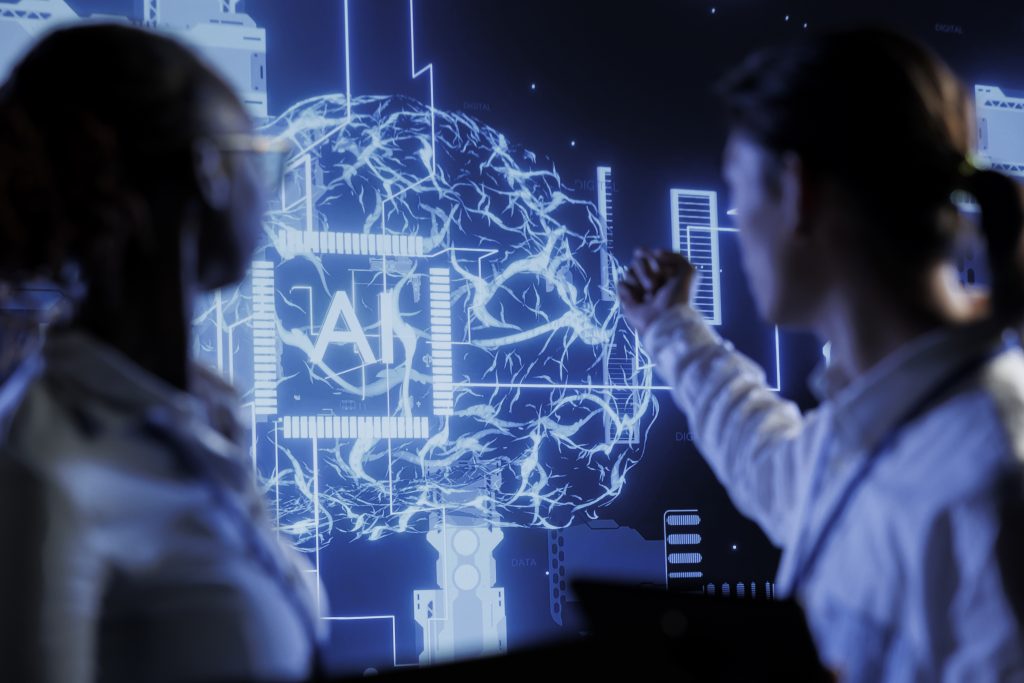
Artificial intelligence is now central to how BNPL platforms manage risk.
Machine learning also plays a critical role in fraud prevention. By analyzing behavioral anomalies, BNPL platforms can identify potential fraud before transactions are completed. These systems improve accuracy over time as they learn from new data.
However, the growing use of automated decision-making raises transparency and fairness concerns. Regulators are increasingly focused on how AI models make lending decisions, pushing providers to explain outcomes and ensure consumer protections remain intact.
BNPL Integration Into Everyday Digital Experiences

Rather than existing as a standalone checkout option, BNPL is increasingly woven directly into digital experiences. Consumers now encounter installment payments inside apps, marketplaces, financial dashboards, and service platforms without leaving the environment they’re already using.
For businesses, this integration improves adoption and retention. BNPL becomes part of the product experience rather than an external add-on, reducing friction and increasing lifetime customer value.
Subscription platforms, in particular, are exploring BNPL for subscription models to give users flexibility on higher-value plans or onboarding fees.
Behind the scenes, this shift requires robust APIs, real-time data exchange, and secure infrastructure capable of supporting instant approvals at scale.
Future of BNPL Services Digital Payments
As BNPL matures, it is expanding well beyond traditional retail. The BNPL services future of digital payments includes applications across travel, healthcare, education, SaaS platforms, and B2B transactions.
These sectors share a common need: high-cost purchases where upfront payment can slow or prevent conversion.
International markets are also driving innovation. Different regulatory environments and consumer behaviors are shaping how BNPL is offered globally, leading to localized models that balance flexibility with compliance. This expansion highlights how BNPL is becoming a core payment method rather than a niche alternative.
The result is a more diverse BNPL ecosystem that supports everyday spending as well as long-term financial planning.
Regulatory Evolution and Global Compliance Expectations
With growth comes scrutiny. Regulators worldwide are paying closer attention to BNPL, particularly around affordability checks, transparency, repayment disclosures, and marketing practices. While early BNPL models often operated outside traditional lending rules, that gap is narrowing quickly.
Different regions are taking different approaches. Some jurisdictions are introducing mandatory credit checks and reporting standards, while others focus on consumer disclosures and fee transparency. BNPL companies must adapt their onboarding, risk models, and reporting practices to comply across markets.
Looking ahead, regulation will likely standardize many aspects of BNPL, shaping how providers assess risk, communicate terms, and protect users without eliminating the flexibility that made BNPL popular.
Competition, Market Consolidation, and BNPL Provider Strategies
As BNPL adoption increases, competition is intensifying. Providers are diversifying their offerings, adding tools like loyalty integrations, merchant analytics, and multi-product financing to stand out in crowded markets.
Partnerships with banks, fintechs, and payment processors are becoming common as providers seek scale and stability.
Market consolidation is also underway. Smaller BNPL players are merging, specializing, or exiting markets where compliance costs and competition are high. Larger providers are positioning themselves as full-service payment platforms rather than single-feature solutions.
These shifts suggest that the future BNPL landscape will be shaped by fewer, more sophisticated providers with broader financial capabilities.
Customer Behavioral Shifts Shaping BNPL Adoption
Consumer expectations are evolving rapidly. Today’s customers want payment experiences that are fast, transparent, and consistent across platforms. They expect clear installment schedules, predictable payments, and minimal friction, especially on mobile devices.
Generational differences also influence adoption. Younger consumers are more comfortable with digital financial tools and often prefer installment payments over traditional credit cards. At the same time, older users are increasingly adopting BNPL for larger purchases as trust in the model grows.
These behavioral shifts are pushing providers to prioritize user experience, clarity, and flexibility in every interaction.
How AI and Embedded Solutions Will Redefine BNPL
The future of BNPL will be shaped by deeper AI integration and more advanced embedded solutions. Predictive analytics may allow providers to anticipate spending needs, adjust credit limits proactively, and reduce default risk before problems arise.
Emerging technologies could further streamline approvals and improve affordability assessments. New monetization models may also emerge as providers move beyond transaction-based revenue.
For consumers, this evolution will make BNPL feel less like a loan and more like a natural extension of digital payments. For businesses, it creates opportunities to utilize Buy Now Pay Later services as a strategic growth tool rather than just a checkout feature.
As innovation continues, the future of BNPL will be defined by smarter credit, deeper integration, and a growing role in the global financial ecosystem — far beyond its original use case and well past the question of what is buy now pay later as a simple payment option.
Frequently Asked Questions (FAQs)
How will AI shape the evolution of BNPL?
AI will enable real-time risk assessment, stronger fraud detection, and personalized credit limits by analyzing behavioral, transactional, and contextual data.
Will BNPL replace traditional credit products?
BNPL is unlikely to replace credit cards or loans entirely, but will coexist by serving short-term, low-friction financing needs that traditional credit products do not always address.
How important is embedded finance for BNPL growth?
Embedded finance is critical because it allows BNPL to be seamlessly integrated into apps, platforms, and marketplaces, expanding reach and improving user adoption.
Are regulators likely to tighten BNPL oversight?
Yes, regulators are expected to introduce stricter rules around affordability checks, transparency, and credit reporting, which may increase compliance costs but improve consumer protection.
Which industries may adopt BNPL next?
Industries such as healthcare, education, travel, SaaS subscriptions, and B2B commerce are likely to expand BNPL adoption due to rising demand for flexible payment options.
How will consumer expectations influence the future of BNPL?
Consumer expectations will push BNPL providers toward more personalized offers, clearer repayment terms, and frictionless onboarding experiences that mirror the speed and simplicity of modern digital payments.
References
Consumer Financial Protection Bureau. (2023). Buy now, pay later: Market trends and consumer impacts. Consumer Financial Protection Bureau. https://www.consumerfinance.gov/data-research/research-reports/buy-now-pay-later-market-trends-and-consumer-impacts/
World Economic Forum. (2023). Embedded finance: The future of financial services. World Economic Forum. https://www.weforum.org/reports/embedded-finance-the-future-of-financial-services/
McKinsey & Company. (2024). Buy now, pay later: A new era of digital credit. McKinsey & Company. https://www.mckinsey.com/industries/financial-services/our-insights/buy-now-pay-later-a-new-era-of-digital-credit
Leave a Reply