Over the past decade, the world of gaming has experienced monumental growth in the way players pay for games, in-game assets, and digital services. Today’s gamers expect more flexibility, convenience, and control over how they pay—fueling the adoption of alternative payment methods gaming that go beyond the status quo.
From cryptocurrencies to region-specific digital wallets, alternative payments are reshaping how players interact with gaming ecosystems. This article explores the most important alternative payment methods in gaming and how game developers and platform operators can integrate them successfully.
Why Alternative Payment Methods Matter in Gaming

Gamers are a diverse group with varied preferences for how they pay.
In regions where credit card penetration is high, players may prefer traditional methods. In other areas, mobile wallets or local bank transfers dominate.
By offering a broader set of payment options, gaming companies can:
- Increase conversion rates by reducing checkout abandonment
- Expand to global markets by supporting region-preferred methods
- Enhance player satisfaction through faster and more convenient options
- Reduce fraud and disputes with more secure payment tools
Gaming platforms that narrow their payment acceptance to only credit and debit cards risk losing players to competitors that support a broader range of options. Thus, decreasing revenue.
According to industry payment analysts like Worldpay and PayPal’s internal reports, offering localized and alternative payment methods can boost authorization rates and reduce decline rates across diverse markets.
The Rise of Cryptocurrencies in Gaming
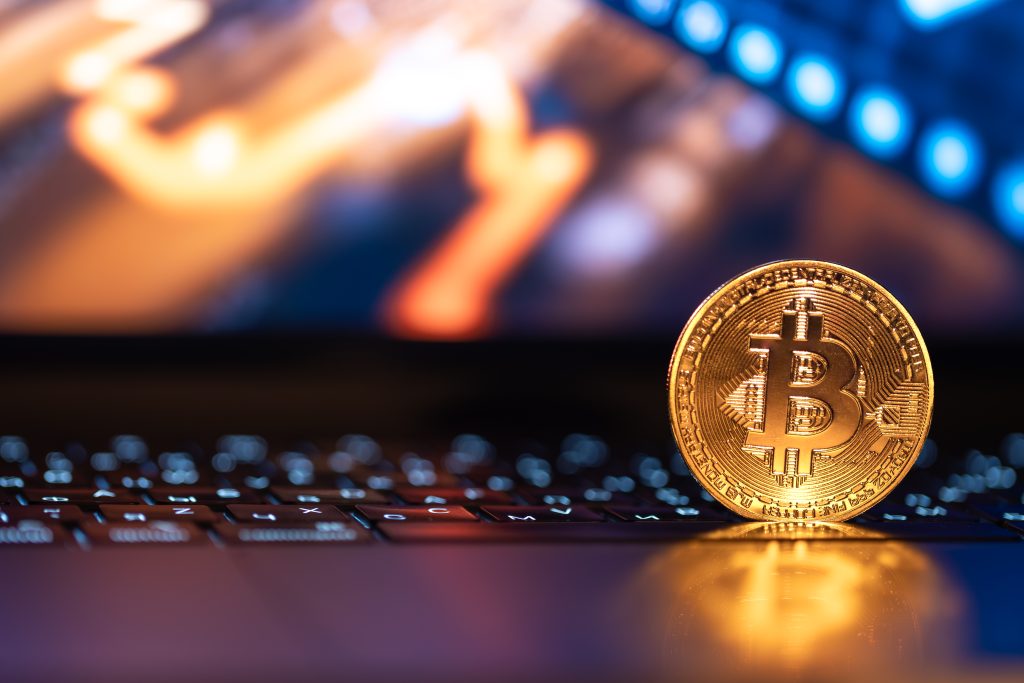
Cryptocurrency has emerged as one of the most talked-about alternative payment methods in gaming. Recent developments have established real use cases for crypto in interactive entertainment.
Cryptocurrency appeals to gamers for several reasons:
- Decentralization: Players can transact peer-to-peer without relying on traditional financial intermediaries.
- Global accessibility: Players in countries with limited traditional banking infrastructure can participate without a credit card.
- Asset ownership: Blockchain tokens can represent true ownership of in-game assets or digital items.
- Programmability: Smart contracts enable automated marketplaces, royalties, and item transfers.
In some blockchain-native games, in-game currencies or assets are issued as tokens on networks like Ethereum, Solana, or Polygon. These assets can be traded, sold, or used across gaming ecosystems, adding economic depth beyond traditional in-game currency.
Despite its potential, integrating crypto isn’t without challenges:
- Volatility: Cryptocurrency values can fluctuate significantly, which complicates pricing.
- Regulatory uncertainty: Different jurisdictions treat crypto differently; some as currency, others as securities.
- User complexity: Crypto wallets, keys, and gas fees may be intimidating for players unfamiliar with blockchain technology.
To address volatility, many games and payment partners use stablecoins to provide consistent value without fluctuation risk.
Crypto integration is a strong example of how alternative payment methods in gaming are evolving beyond credit cards, but careful consideration is necessary to balance innovation with accessibility.
Buy Now, Pay Later (BNPL) for Gaming Purchases
Buy now, pay later (BNPL) has become a mainstream option in e-commerce, and it’s increasingly moving into gaming. BNPL allows players to split in-game purchases or digital content costs into smaller, interest-free installments.
BNPL aligns logically with the gaming economy:
- Lower spending barriers: Players who hesitate at higher purchase amounts may be more willing to spend when payments are spread over time.
- Impulsive purchases: Limited-time offers and seasonal deals can trigger greater spending with flexible payment structures.
- Subscription services: BNPL can complement ongoing service plans or premium content passes.
Major BNPL providers like Afterpay, Klarna, and Affirm have expanded partnerships into the gaming industry, mirroring the trend seen in retail.
Research from financial analysts suggests that BNPL can improve average order value because players feel less financial strain at the point of sale.
However, BNPL also introduces considerations:
- Credit risk: Providers must assess the player’s ability to repay installments.
- Regulatory scrutiny: Some markets are tightening rules around installment lending and consumer protections.
- Integration complexity: Billing must align with game accounts, subscriptions, and refund policies.
Despite these hurdles, BNPL remains one of the most promising alternative payment methods in gaming, particularly for larger transactions or subscription upgrades.
Digital Wallets and Mobile Payments
Digital wallets have emerged as dominant alternatives to direct card entry. They store payment credentials securely and allow players to authorize payments with minimal friction.
Some benefits are:
- Faster checkout: One-tap or biometric authorization reduces steps at purchase.
- Tokenized security: Wallets transmit tokens instead of card numbers, reducing fraud risk.
- Wide adoption: Many players already use wallets for other digital purchases.
In markets like China, wallets such as Alipay and WeChat Pay account for a significant portion of gaming revenue due to their ubiquity and convenience. In Southeast Asia and Latin America, mobile wallets and carrier billing also play a major role.
Digital wallets integrate smoothly with both mobile and web platforms, and they often come with built-in dispute support and purchase protection.
Carrier Billing and SMS Payments
Carrier billing is especially valuable in markets with low credit card penetration. Players authorize purchases through their mobile carrier, and charges appear on their phone statement.
Carrier billing works well in microtransaction environments where small purchase amounts (e.g., $1–$5) are common. It also eliminates the need for bank account details or card issuance, enabling access for unbanked or underbanked players.
However, carriers typically take a larger share of revenue—sometimes as much as 30%—which means platforms must evaluate profitability carefully.
Localized Payment Methods Across Regions
Successful games that operate globally must adapt to local financial preferences. Certain regions have dominant alternative methods:
- Latin America: Boleto Bancário (Brazil), OXXO (Mexico)
- Europe: SEPA Direct Debit, iDEAL (Netherlands)
- Asia: Mobile wallets, bank app QR codes
- Africa: Mobile money like M-Pesa
According to the World Bank, mobile money adoption in Sub-Saharan Africa exceeds that of traditional banking in many countries, making mobile alternatives critical for market entry.
Offering localized methods increases authorization rates and expands the potential player base in areas where credit cards are less common.
Subscription Models and Recurring Billing
Subscription models require recurring payments, but not all alternative methods handle subscriptions equally well. For example, some digital wallets and BNPL providers may not support automatic renewals without reauthorization.
In these cases, online gaming payment processing partners can bridge gaps by offering hosted billing services that tokenize recurring payment methods securely.
Optimizing recurring billing involves:
- Timely notifications before renewals
- Easy cancellation flows
- Fallback payment options to prevent churn
- Price localization for international players
Recurring payment optimization reduces churn and ensures subscription revenues remain predictable.
Regulatory and Compliance Considerations
With more payment options come more regulatory obligations. Gaming platforms must comply with:
- Anti-money laundering (AML) requirements
- Know-your-customer (KYC) checks for real-money transactions
- Data protection regulations such as GDPR
- Consumer credit rules where BNPL is considered lending
Alternative payment methods often require deeper integration with compliance systems to ensure that fraud, money laundering, or credit risk is managed appropriately.
For instance, crypto transactions may need blockchain analytics for monitoring suspicious flows, while BNPL providers must align with consumer protection standards in each region they operate.
Security Challenges and Best Practices
No payment method is immune to fraud risks. Whether it’s card fraud, account takeover attempts, or identity spoofing, gaming platforms must adopt robust security postures.
Best practices include:
- Tokenization of payment credentials
- Strong customer authentication (SCA)
- Behavioral analytics to detect anomalies
- Real-time fraud scoring engines
- Secure wallet integrations with encryption
Platforms should view security as a holistic system involving user verification, transaction monitoring, and post-transaction analytics.
How to Choose Alternative Payment Providers
When evaluating providers, gaming companies should consider:
- Global reach vs. regional specialization
- Ease of integration (APIs, SDKs)
- Compliance support (KYC/AML)
- Fraud prevention tooling
- Settlement speed and currency support
- Reporting and reconciliation features
Working with partners experienced in gaming payments improves the likelihood of successful implementation and reduces operational overhead.
Future Trends in Gaming Payments
The payment landscape continues to evolve. Watch out for the:
- Expansion of real-time settlement systems
- Integration of central bank digital currencies (CBDCs)
- Deeper integration of blockchain assets with game economies
- AI-driven personalization of payment experiences
- Embedded finance relationships within gaming platforms
Alternative payment methods gaming is a must-have in diversifying payment acceptance, which allows gaming platforms to:
- Expand global reach
- Increase player conversion
- Reduce payment abandonment
- Improve user satisfaction
- Generate more predictable revenue streams
Successful integration requires careful consideration of security, compliance, user experience, and regional preferences.
When executed thoughtfully, alternative payment capabilities help transform a good gaming platform into a globally adaptable and future-ready ecosystem.
Frequently Asked Questions (FAQs)
What are some common alternative payment methods in gaming?
Common methods include cryptocurrencies, buy-now-pay-later options, digital and mobile wallets, carrier billing, and localized bank or wallet solutions specific to regions.
How does BNPL benefit gamers?
BNPL allows players to split in-game purchases or subscriptions into smaller, interest-free installments, lowering barriers to higher-value spending.
Why is security important with alternative payment methods?
Different payment types introduce unique fraud and compliance risks, so strong authentication and monitoring systems are crucial to protect both players and platforms.
References
Worldpay. (2024). Global payments report: Consumer preferences and trends. https://corporate.worldpay.com/node/6961/pdf
Baymard Institute. (2025). E-commerce checkout usability findings. https://baymard.com/research/checkout-usability
Financial Times. (2024, January 24). Crypto craze takes gaming industry by storm. https://www.ft.com/content/304be1c6-13ca-4139-92f5-0c4c9c314468
Leave a Reply