
Direct debit is an automated bank-to-bank payment method that allows businesses to collect payments only after a customer gives clear authorization. Both businesses and customers rely on secure debit systems to make sure money moves safely and only when permission exists. Strong security mechanisms, regulatory rules, and fraud-prevention checks are in place to protect everyone involved. These safeguards reduce risks such as identity misuse, incorrect mandates, and fraudulent payment requests, which is why direct debit security is a core part of safe and trusted payment collection today.
Understanding the Foundations of Direct Debit Security
Direct debit systems are built on strong security principles to keep payments safe. At their core, they rely on proper authorization, careful mandate management, and thorough verification to ensure only approved transactions occur. Regional payment schemes like ACH, SEPA, and Bacs enforce strict compliance rules that businesses must follow, adding an extra layer of protection. Companies also need to collect essential customer information, like bank details and signed mandates, and store it securely to prevent misuse. For businesses managing recurring payments, using direct debit for subscription services provides a reliable way to maintain security while keeping collections smooth and compliant.
How Are Direct Debits Secure? Key Protection Mechanisms Explained
Direct debits stay safe because they use several layers of protection working together. Many people ask, how are direct debits secure, and the answer lies in this combined approach rather than one single control. Each step is designed to stop errors, fraud, and misuse before money ever moves.
Hence, payments are protected through encryption, identity checks, mandate authentication, and secure data storage. Customer details are locked away and only used for approved instructions. Banks also play a key role by monitoring unusual activity and checking that payment requests match valid mandates. If something looks wrong, transactions can be stopped early. Clear dispute processes and refund rights give customers confidence, while businesses using direct debit for SME benefit from a system built on trust and accountability.
Types of Direct Debit Fraud and How They Occur
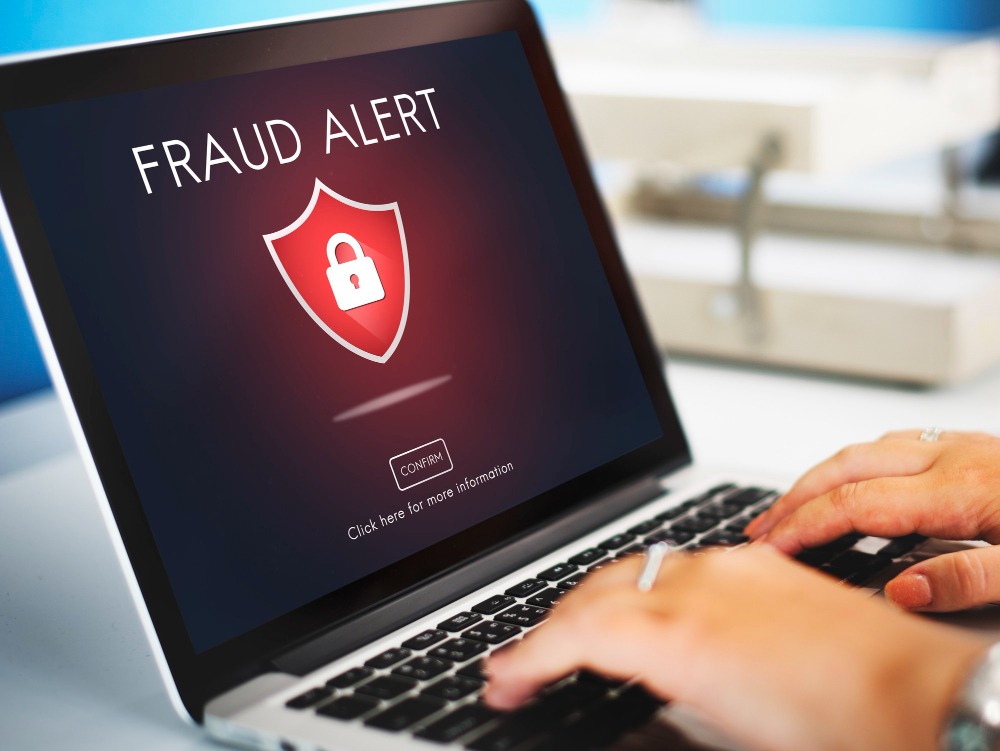
Understanding how fraud happens is the first step to preventing it, especially when businesses look to get a direct debit solution for your business that is safe and reliable.
- Unauthorized mandates
This happens when a debit is set up without the real customer’s approval. Fraudsters may use stolen personal or banking details to create a false mandate, leading to unauthorized debit transactions taken from an account. - Account takeover
In this case, criminals gain control of a customer’s bank account through phishing or leaked login details. Once inside, they can change payment permissions or approve new debits without the account holder noticing. - Manipulation of payment instructions
Payment details may be altered during setup or processing. Even small changes to amounts or schedules can redirect funds or increase charges without clear consent. - Internal fraud risks
Poor data handling or employee misuse can expose sensitive banking information. Weak controls inside a business make it easier for errors or intentional abuse to occur. - External threats and impersonation
Fake emails, compromised bank data, and impersonation of trusted providers are common tactics used to trick customers into sharing details or approving fraudulent debits.
Fraud Prevention Strategies for Businesses
Strong fraud prevention starts with clear safeguards at every stage of the payment process. Businesses should use identity checks, proper mandate verification, and customer confirmation protocols before any payments are collected. Secure onboarding is critical, with validated account details reviewed before billing begins to avoid financial errors and misuse. Internally, access to sensitive data should be limited, tracked through audit logs, and reviewed often. Regular compliance checks help spot weak points early. Together, these steps protect online payment flows, reduce financial risk, and build long-term trust with customers.
Compliance Requirements and Scheme Rules for Safe Direct Debits
Safe direct debits rely on clear compliance rules that protect both customers and businesses. Formal mandates prove customer consent, while set dispute windows allow issues to be raised and resolved through the bank before losses grow. Banking regulations add another layer of control by defining how each payment must be processed and reviewed. Schemes like SEPA, ACH, and Bacs require businesses to retain mandates, send proper customer notifications, and stay audit-ready at all times. These scheme rules exist to ensure every payment follows clear timing and documentation standards, reducing errors, limiting fraud, and maintaining trust within the banking system.
Customer Protection and Rights Under Direct Debit Schemes
Direct debit schemes are designed to protect the customer if something goes wrong. Refund guarantees and reversal rights allow unauthorized transactions to be returned, often without delay. If a payment is taken without valid approval, banks step in to protect security and correct the issue. Customers also have the right to cancel a mandate at any time, either through the business or directly with their bank. After cancellation, no further transactions should be processed. Clear dispute processes guide how claims are reviewed, with banks handling repayment and investigation to ensure fairness and trust.
Best Practices for Secure Payment Authorization

Secure payment authorization starts with capturing clear customer approval through electronic mandates, digital signatures, and secure authentication steps. These methods confirm intent and link debit payments to the correct bank account details. Once collected, authorization data must be stored using encrypted systems with limited access and regular security checks. Clear customer communication is just as important. Businesses should explain how billing works during setup and remind customers before recurring charges occur. Transparent messages help prevent confusion, reduce disputes, and build trust between the business, the customer, and the bank throughout the payment lifecycle.
When Direct Debit May Present Security Challenges
It may present challenges in the following scenarios:
- Weak identity checks: Poor verification increases the risk of unauthorized access to bank accounts and financial loss.
- High-risk industries: Certain online sectors face more fraud and disputes, making direct debit less secure.
- Outdated mandates: Old or incorrect mandates can lead to errors and misuse.
- Compromised accounts: If bank accounts are taken over, fraudulent debits may occur.
- Alternative payments needed: Other payment methods may offer better security in higher-risk cases.
Emerging Technologies Enhancing Direct Debit Security
New technologies are strengthening how direct debit systems are protected across banking and payments. Machine learning and fraud detection algorithms analyze patterns and behavior to spot unusual activity early, while behavioral analysis adds another layer of security. Innovations like tokenization, stronger identity checks, and real-time alerts help reduce misuse and improve response times. At the same time, evolving regulatory frameworks require tighter controls, pushing banks and businesses to adopt higher security standards and safer payment processes.
Choosing a Secure Direct Debit Provider
A secure provider such as Vellis should offer strong encryption, active fraud monitoring, clear compliance certifications, and transparent dispute handling. Integration security also matters, with protected APIs and verified onboarding to prevent data exposure. Businesses should review reporting tools, user authentication options, and how easily mandates can be created, tracked, and updated. These features help reduce risk, improve oversight, and ensure direct debit payments are managed safely from setup through ongoing billing.
FAQs
What makes direct debit secure compared to other payment methods?
Direct debit is secure due to strict authentication, mandate verification, and refund protections, ensuring only authorized payments reach the account.
Can someone set up a direct debit without my permission?
No, a direct debit requires your explicit authorization through a validated mandate, and you have dispute rights if unauthorized payments occur.
How can businesses prevent unauthorized debits?
Businesses prevent unauthorized debits by verifying customer identity, confirming mandates, restricting internal access, and regularly auditing payment processes.
What should customers do if they notice a fraudulent debit?
Customers should report fraudulent debits to their bank immediately; banks investigate, reverse the payment, and process refunds within set timelines.
Does direct debit expose my bank account information?
No, direct debit does not expose your bank account details publicly; information is securely encrypted and handled under strict data protection rules.
Are businesses liable for direct debit fraud?
Businesses can be liable for direct debit fraud if they fail to follow regional rules or scheme compliance, including mandate verification and secure processing.
How often should mandates and customer information be reviewed?
Mandates and customer information should be reviewed regularly to ensure accuracy and maintain secure verification.
References
EnKash: The Role of Fraud Prevention in Modern Payment Gateway Security
Nab: How to reduce the risk of Direct Debit fraud
https://www.nab.com.au/about-us/security/online-safety-tips-business/reduce-direct-debit-fraud
Federal Bank: How to Use a Debit Card Safely and Securely
https://www.federal.bank.in/how-to-use-a-debit-card-safely-and-securely
GoCardless: Direct Debit Customer Protections
https://gocardless.com/en-us/guides/intro-to-direct-debit/customer-protection
Leave a Reply