
Checkout is where interest turns into action. Even small disruptions at this stage can mean lost revenue. As online payments evolve, consumers increasingly expect flexibility, speed, and clarity when completing a purchase.
This is where Buy Now, Pay Later (BNPL) solutions have carved out a powerful role, reshaping expectations around affordability and convenience. When implemented correctly, a smooth BNPL flow can dramatically improve trust, reduce hesitation, and elevate the overall BNPL user experience for customers across industries.
From retail and travel to education and healthcare, seamless BNPL checkout is becoming a core driver of modern payment satisfaction.
What Seamless BNPL Checkout Means for Customer Experience
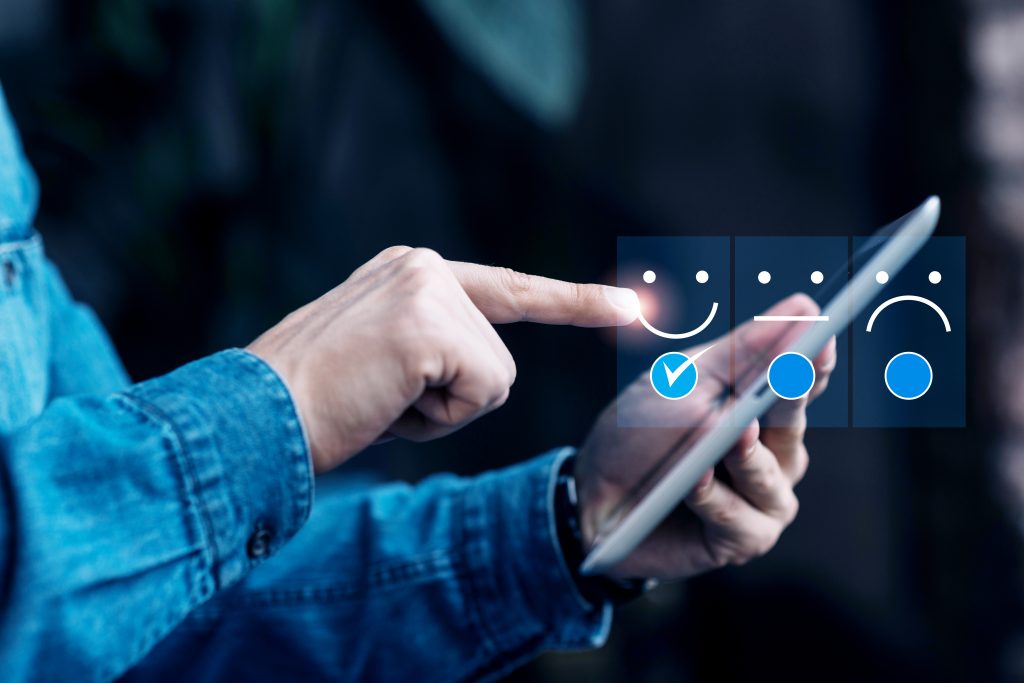
A seamless BNPL checkout refers to a payment flow that allows customers to select installment options, receive instant approval, and complete their purchase without unnecessary steps or confusion.
Instead of redirecting users across multiple screens or requiring lengthy form completion, seamless checkout embeds BNPL directly into the purchase journey.
Checkout flow plays a major role in shaping customer satisfaction because it’s the final interaction before commitment. Any delays, errors, or unclear messaging at this stage can undermine confidence.
Common friction points include unexpected redirects, slow loading times, unclear installment terms, or requests for excessive personal information.
Consistency in design and messaging is equally important. When BNPL options look and feel integrated with the rest of the site, customers feel reassured that the payment method is legitimate and secure.
A consistent interface reduces cognitive effort and reinforces trust, making the overall BNPL user experience feel intuitive rather than disruptive.
Why Customer Experience Is Critical in BNPL Adoption
Digital payment users are more informed and less patient than ever. They expect speed, transparency, and reliability, especially when financial commitments are involved. As BNPL options become more common, customers naturally compare experiences across platforms and providers.
Friction at checkout remains one of the leading causes of cart abandonment. If selecting a BNPL option adds complexity instead of reducing it, shoppers are more likely to abandon their purchase altogether.
Even small delays can signal risk, particularly when users are asked to share financial data.
Checkout speed also plays a direct role in trust. A fast, responsive process signals technical competence and reliability, while lagging systems raise concerns about security.
Ultimately, confidence in the payment flow strongly influences whether customers complete their purchase, making BNPL customer experience a decisive factor in adoption and long-term usage.
Key Elements of a Seamless BNPL Checkout Flow
A seamless BNPL flow begins with clear payment selection. Customers should immediately see BNPL alongside other options, without needing to search or scroll excessively. Visibility reduces uncertainty and encourages exploration.
Installment presentation must be simple and transparent. Shoppers should instantly understand how much they’ll pay, when payments are due, and whether interest or fees apply. Overloading users with dense terms at checkout often backfires.
Mobile responsiveness is no longer optional. BNPL interfaces must adapt seamlessly to different screen sizes, ensuring readability and usability across devices. Real-time payment confirmation is equally critical since customers need immediate assurance that their transaction was successful.
A smooth checkout experience removes doubt and reinforces confidence at the most important stage of the purchase.
Mobile Optimization and Its Impact on BNPL Checkout
Most BNPL transactions now occur on smartphones, making optimization for mobile behavior essential. Smaller screens amplify usability issues, meaning poorly designed flows feel even more frustrating on handheld devices.
Fast load speeds, responsive layouts, and minimal input requirements are especially important. Customers often browse and purchase on the go, so even a few extra seconds can result in abandonment. Touch-friendly buttons, simplified forms, and clear visual hierarchy all improve usability.
Mobile-specific behaviors also influence BNPL adoption. Users expect one-tap approvals, saved credentials, and biometric authentication where available. When BNPL works smoothly on mobile, it feels less like financing and more like a natural extension of modern digital payments.
Payment Transparency and Its Role in Customer Trust
Transparency is foundational to trust in BNPL. Customers want to know exactly what they’re committing to before they click “pay.” This includes total cost, installment amounts, payment dates, and any potential fees.
This is especially important in specialized use cases such as BNPL for healthcare, where patients may be managing high out-of-pocket expenses and need clear visibility into repayment obligations. When terms are unclear or hidden behind multiple clicks, customers grow skeptical.
Transparent BNPL flows reduce anxiety, increase completion rates, and build long-term loyalty by ensuring customers feel informed and respected throughout the payment process.
How BNPL Checkout Affects Conversion and Revenue
BNPL reduces purchase hesitation by breaking large payments into manageable installments. This psychological shift makes higher-priced items feel more accessible and less risky.
Merchants often see increases in average order value when BNPL is offered seamlessly. Customers are more willing to add items or upgrade purchases when immediate financial pressure is reduced. At the same time, smoother flows reduce checkout abandonment, capturing revenue that might otherwise be lost.
Over time, a reliable and frictionless payment experience encourages repeat purchases. Customers who trust the process are more likely to return, knowing that future transactions will be just as simple.
Integration Challenges That Disrupt BNPL User Experience
Despite its benefits, BNPL checkout can be disrupted by technical challenges. Poor integrations may slow down checkout, trigger errors, or cause failed payment confirmations. These issues undermine trust instantly.
System synchronization problems between merchants, BNPL providers, and internal risk engines — such as BNPL credit scoring systems — can lead to inconsistent approvals or confusing user feedback. When customers don’t understand why a payment failed, confidence erodes quickly.
Inconsistent UX across devices further complicates the experience, especially when BNPL feels disconnected from other payment methods already offered at checkout.
The Role of Merchant Support in BNPL Customer Experience
Support availability plays a major role in shaping trust during payment issues. When something goes wrong at checkout, customers expect immediate guidance. Clear access to merchant support reassures users that help is available if needed.
Real-time problem resolution prevents frustration from escalating into abandonment. On the other hand, delayed or unclear responses can permanently damage confidence.
Support visibility during payment issues reinforces credibility. When customers know who to contact and how, they’re more comfortable proceeding with BNPL payments.
Security, Data Protection, and Customer Confidence
Security concerns remain one of the biggest barriers to BNPL adoption. Customers want assurance that their personal and financial information is protected throughout the checkout process.
Strong authentication, encryption, and fraud prevention measures reduce perceived risk. These safeguards are especially important when users are deciding whether to subscribe to Buy Now Pay Later services for ongoing or repeat purchases.
Consistent security practices reassure customers that BNPL is a safe, reliable part of modern payment solutions rather than a short-term convenience.
Measuring and Optimizing BNPL Checkout Performance
Improving BNPL checkout requires ongoing measurement and refinement. Tracking success rates, bounce rates, and abandonment metrics provides insight into where friction occurs.
A/B testing different layouts, messaging, and approval flows helps identify what resonates most with users. Continuous UX testing ensures that changes in behavior or technology don’t introduce new obstacles.
Optimization leads directly to higher retention. When businesses treat BNPL checkout as a dynamic system rather than a static feature, they create scalable solutions that grow with customer expectations.
The Future of BNPL Customer Experience

BNPL systems are evolving rapidly, with innovation focused on speed, personalization, and automation. AI-driven approvals, predictive risk models, and smarter interfaces are shaping the next generation of checkout flows.
Omnichannel BNPL experiences are also emerging, allowing customers to move seamlessly between online, in-app, and in-store purchases. As expectations rise, users will demand experiences that feel fast, intuitive, and reliable.
The future of BNPL will be defined by how well providers and merchants prioritize customer experience while balancing security, transparency, and flexibility.
Frequently Asked Questions (FAQs)
What is the biggest factor affecting BNPL checkout experience?
Interface simplicity combined with clear, upfront installment terms has the greatest impact on whether customers complete a BNPL checkout.
How does mobile optimization impact BNPL conversions?
Mobile-optimized BNPL checkout improves conversions by supporting faster load times, simplified inputs, and touch-friendly flows that align with on-the-go purchasing behavior.
Does BNPL checkout increase cart abandonment if poorly implemented?
Yes, confusing interfaces, slow redirects, or unclear terms increase friction and directly raise cart abandonment rates.
How does support availability affect BNPL customer trust?
Fast and visible support during payment issues builds trust by reassuring customers that failed or delayed BNPL transactions will be resolved quickly.
Can BNPL checkout improve long-term customer loyalty?
Yes, a smooth BNPL checkout experience encourages repeat usage by making future purchases feel easier and more predictable for customers.
References
Consumer Financial Protection Bureau. (2022). Buy now, pay later: Market trends and consumer impacts. https://www.consumerfinance.gov/data-research/research-reports/buy-now-pay-later-market-trends-and-consumer-impacts/
McKinsey & Company. (2023). How buy now, pay later is reshaping payments and consumer behavior. https://www.mckinsey.com/industries/financial-services/our-insights/how-buy-now-pay-later-is-reshaping-payments-and-consumer-behavior
Stripe. (2023). The impact of buy now, pay later on conversion and checkout experience. https://stripe.com/reports/buy-now-pay-later
Leave a Reply