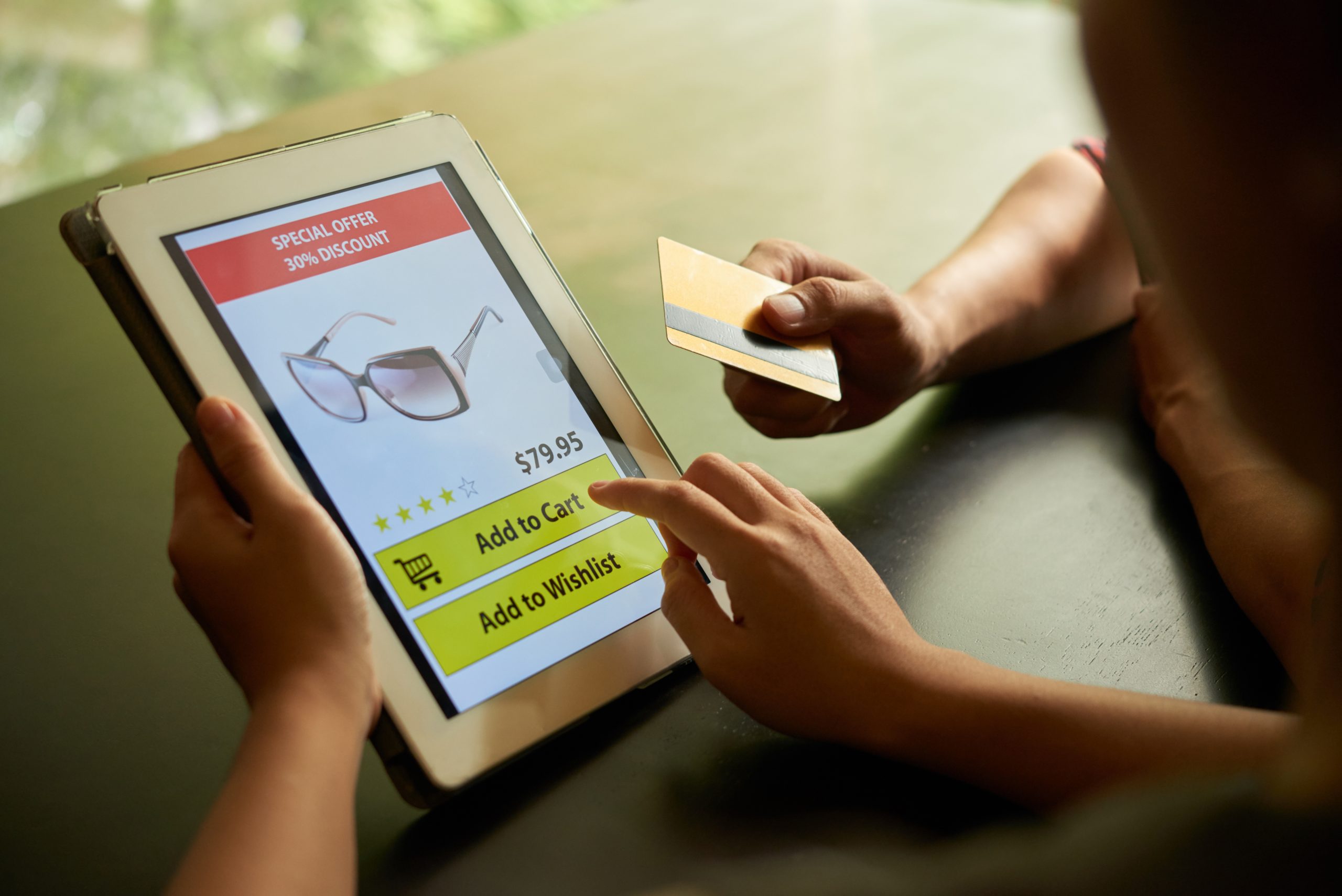
Small and medium-sized enterprises (SMEs) face constant pressure to compete with larger brands that offer convenience, flexibility, and seamless checkout experiences. A solution that has gained significant traction in recent years is Buy Now, Pay Later (BNPL), which allows customers to split purchases into manageable installments rather than paying upfront.
For small businesses, BNPL has become a powerful tool to remove purchasing barriers and increase sales.
By offering flexible payment plans, small businesses can attract new customers, increase order values, and encourage repeat buying — all without overhauling their existing operations. BNPL helps bridge the gap between customer intent and completed purchases, especially in price-sensitive markets.
Understanding the Value of BNPL for Small Business

BNPL for small business has emerged as a practical way for SMEs to enhance customer affordability while maintaining healthy cash flow. At its core, BNPL allows customers to spread the cost of a purchase across several installments, often with little or no upfront interest, making higher-priced items more accessible.
For small businesses, BNPL works as a payment method offered at checkout through a third-party provider. The provider typically pays the merchant upfront and then collects installments directly from the customer.
This model allows SMEs to improve conversion rates without taking on credit risk themselves.
Installment-based purchasing is particularly appealing to budget-conscious buyers who may hesitate to commit to larger purchases. By breaking down payments into smaller amounts, BNPL reduces friction and helps customers feel more confident about completing transactions.
In a market where convenience drives loyalty, offering modern payment options signals that a business understands and adapts to customer needs.
Common BNPL models for SMEs include short-term “pay-in-four” plans, monthly installment options, and invoice-based BNPL for business buyers. These flexible structures make BNPL adaptable across retail, services, and digital commerce.
How BNPL Encourages Higher Customer Spending and Conversion
One of the most immediate benefits of BNPL is its impact on customer spending behavior. When customers can split payments, the perceived cost of a product feels lower even if the total price remains unchanged. This psychological shift often leads to higher average order values.
BNPL also helps reduce checkout abandonment, a major challenge for SMEs. Customers frequently abandon carts when faced with unexpected costs or limited payment options. Flexible payment plans lower financial hesitation, allowing customers to complete purchases they might otherwise delay or cancel.
Many SMEs observe noticeable changes after introducing BNPL. Customers tend to:
- Add more items to carts
- Choose premium versions of products
- Opt for bundled offerings
When payments are spread out, buyers are more willing to invest beyond basic needs, which directly supports revenue growth.
Using B2B BNPL to Support Business Buyers
B2B BNPL for small businesses addresses a different but equally important purchasing scenario: transactions between businesses. Unlike consumer BNPL, B2B BNPL focuses on higher transaction values, longer repayment terms, and business-specific affordability considerations.
In B2B settings, BNPL allows business customers to acquire inventory, equipment, or services without immediate full payment. This is especially valuable for smaller companies managing tight cash flow or seasonal revenue cycles. By offering deferred or installment-based payments, suppliers can close deals faster while supporting their customers’ financial flexibility.
Industries such as wholesale distribution, professional services, equipment leasing, and SaaS are seeing rapid adoption of B2B BNPL due to its ability to reduce friction in procurement decisions.
Key BNPL Features That Improve Customer Experience
BNPL significantly enhances the customer experience by providing clarity and predictability at checkout. Customers appreciate knowing exactly how much they will pay per installment, when payments are due, and whether interest applies.
Transparent terms help build trust and reduce buyer anxiety. Many BNPL providers also offer flexible plans tailored to different purchase values, ensuring that customers can choose options that align with their financial comfort level.
Short-term plans work well for smaller purchases, while longer-term options suit higher-ticket items. This flexibility allows SMEs to cater to diverse customer segments without complicating their payment process.
How SMEs Can Use BNPL to Boost Repeat Buying
Strategic use of BNPL purchases for small business also strengthens customer retention. When customers have positive experiences using BNPL, they are more likely to return to businesses that made purchasing easier and more accessible.
Repeat customers often associate BNPL-enabled SMEs with affordability and convenience. Over time, installment purchasing helps build long-term relationships, especially for businesses offering subscriptions, bundles, or seasonal promotions.
For example, a small retailer might offer BNPL on curated bundles, while a service-based SME could apply installment plans to maintenance packages or long-term contracts. These use cases encourage customers to commit to ongoing purchases rather than one-off transactions.
Implementation Process: How SMEs Can Add BNPL to Their Operations
Adding BNPL to an SME’s payment stack is typically straightforward. The first step is selecting a provider based on fees, settlement timing, approval criteria, and customer experience. SMEs should evaluate whether the provider supports their sales channels, such as ecommerce platforms, POS systems, or invoicing tools.
Integration options vary from plug-and-play ecommerce plugins to API-based solutions for custom setups. Key considerations during setup include transaction fees, approval speed, refund handling, and alignment with existing accounting workflows.
Operationally, SMEs must also plan for refunds, returns, and reconciliation. While BNPL providers handle customer repayments, merchants should ensure internal processes can support these scenarios efficiently.
Managing Cash Flow, Risk, and BNPL Interest Structures
One major advantage of BNPL is that most providers pay merchants upfront, helping SMEs maintain predictable cash flow. This allows businesses to forecast revenue more accurately and reinvest in operations without waiting for customer installments.
However, SMEs should still understand the risks involved, including reliance on third-party providers and the possibility of disputed transactions. While providers manage credit exposure, merchants remain responsible for customer satisfaction and operational integrity, making BNPL risk management an important consideration.
It’s also essential to understand how BNPL interest rates work. Some plans offer zero-interest installments, while others include interest depending on purchase size, duration, and customer profile. SMEs should communicate these terms clearly to avoid confusion and maintain trust.
Best Practices for Promoting BNPL Options to Customers
Visibility plays a critical role in BNPL success. SMEs should highlight BNPL options on product pages, pricing displays, and checkout screens rather than introducing them at the last step. Early exposure increases the likelihood that customers factor installment flexibility into purchase decisions.
Clear messaging helps educate customers on how BNPL works and what options are available. Simple explanations, FAQs, and visual payment breakdowns reduce hesitation and build confidence.
Testing different placements and messaging styles allows SMEs to identify what resonates most with their audience. Data-driven adjustments often lead to measurable improvements in conversions and order values.
Evaluating ROI: Measuring the Impact of BNPL Adoption

To assess BNPL’s effectiveness, SMEs should track key performance indicators such as conversion rate lift, average order value, and repeat purchase frequency. Comparing metrics before and after BNPL adoption provides valuable insight into its financial impact.
Most BNPL providers offer reporting dashboards, but SMEs can also integrate BNPL data into existing analytics tools. Over time, these insights help refine customer segmentation, optimize payment strategies, and determine whether to expand BNPL offerings.
For SMEs seeking growth without sacrificing customer experience, BNPL offers a compelling path forward. With the right provider, thoughtful implementation, and clear communication, small businesses can confidently sign up for Buy Now Pay Later services and turn flexible payments into a sustainable competitive advantage.
Frequently Asked Questions (FAQs)
How does BNPL help small businesses increase customer purchases?
BNPL increases customer purchases by lowering upfront cost barriers, encouraging higher order values, and reducing checkout friction.
Is BNPL safe for SMEs to offer?
Yes, BNPL is generally safe for SMEs because providers assume most credit and repayment risk while offering fraud and dispute protections.
Can BNPL improve customer loyalty?
BNPL improves customer loyalty by making purchases more accessible, which encourages repeat buying and long-term relationships.
Do BNPL providers charge fees to small businesses?
Yes, BNPL providers typically charge transaction or service fees, with costs varying by provider, payment plan, and settlement timing.
What types of customers respond best to BNPL options?
BNPL resonates most with price-sensitive shoppers, younger consumers, and customers seeking flexible budgeting without using traditional credit.
References
Consumer Financial Protection Bureau. (2022). Buy now, pay later: Market trends and consumer impacts. https://www.consumerfinance.gov/about-us/newsroom/cfpb-examines-buy-now-pay-later-market-trends-and-consumer-impacts/
McKinsey & Company. (2023). Buy now, pay later: Five business models to compete. https://www.mckinsey.com/industries/financial-services/our-insights/buy-now-pay-later-five-business-models-to-compete
Worldpay. (2024). Global payments report 2024. https://worldpay.globalpaymentsreport.com/
Leave a Reply