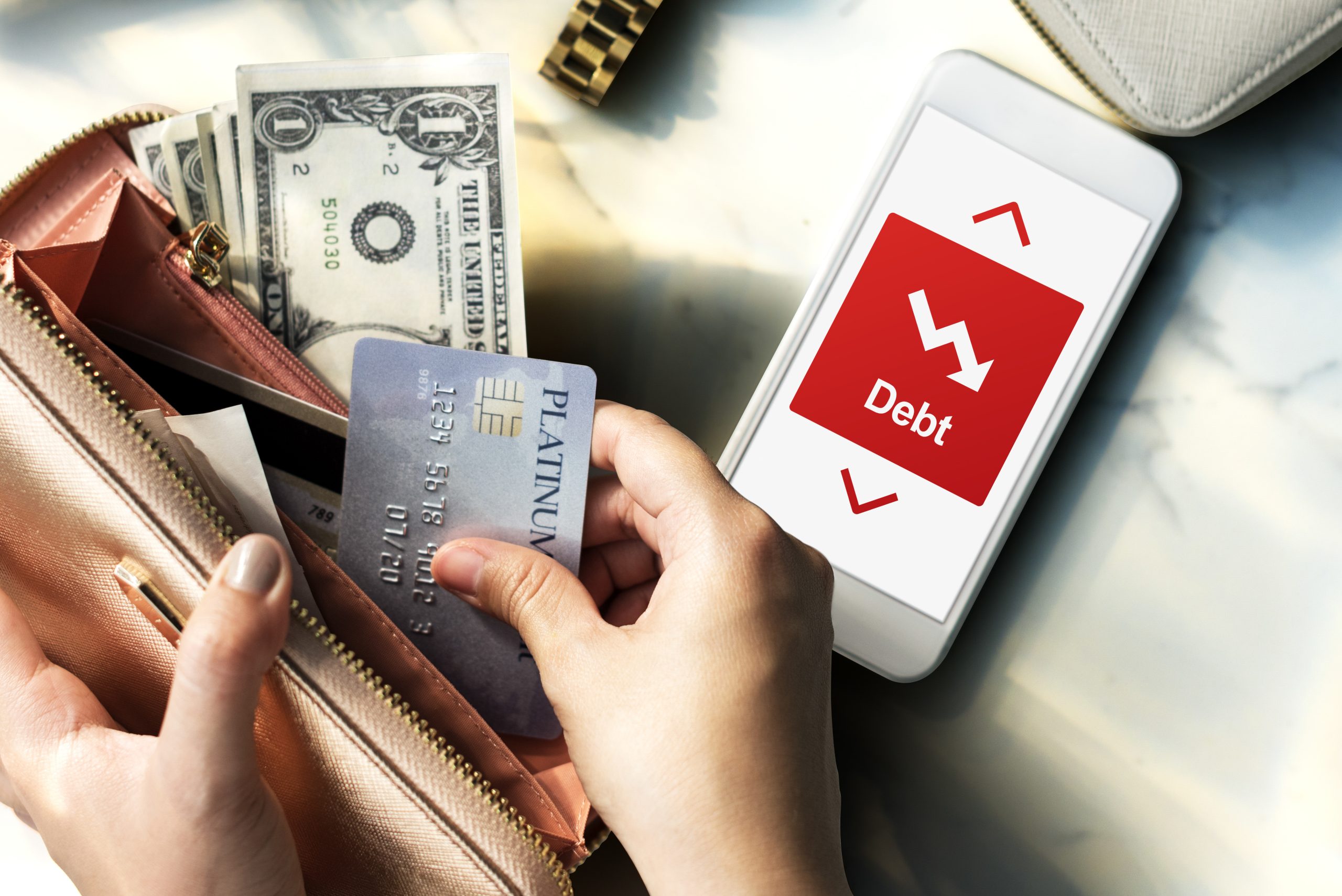
Buy Now Pay Later (BNPL) services have moved rapidly from niche checkout options to mainstream payment tools used across ecommerce, retail stores, travel platforms, and service-based businesses.
Their appeal is easy to understand: fast approvals, flexible installments, and transparent payment schedules that feel more approachable than traditional credit products. As adoption accelerates, however, so does the complexity of managing risk across millions of short-term financing decisions made in real time.
With scale comes responsibility. Rising concerns around credit exposure, fraud attempts, and regulatory intervention have made risk oversight a defining factor in the long-term sustainability of BNPL platforms.
The success of these services increasingly depends not only on growth but on how effectively risk is measured, controlled, and mitigated.
Understanding BNPL Risk Management

At the heart of modern BNPL platforms is BNPL risk management. It governs how providers balance fast, frictionless checkout experiences with responsible financial decision-making. Unlike traditional lenders, BNPL services operate in high-volume, low-margin environments where each transaction carries both opportunity and exposure.
Risk oversight in BNPL models aims to ensure that approvals are fast without being reckless. Providers must approve customers in seconds while still assessing the likelihood of repayment and the potential for misuse. This balancing act is essential because overly strict checks undermine conversion rates, while overly lenient approvals increase defaults and fraud losses.
The core objectives of BNPL risk management include loss prevention, fraud reduction, and consumer protection. Risk is multidimensional, spanning credit risk from unpaid installments, fraud risk from malicious actors, regulatory risk from evolving compliance standards, reputational risk from consumer harm, and operational risk tied to system failures or inaccurate data.
Effective BNPL providers view these risks as interconnected rather than isolated problems.
Evaluating Consumer Creditworthiness
BNPL providers assess consumer creditworthiness differently from traditional lenders. Instead of relying solely on legacy credit scores, many platforms use soft credit checks, alternative data, and behavioral analytics to evaluate affordability without negatively impacting the consumer’s credit file.
These assessments may include transaction history, device data, prior BNPL repayment behavior, and spending patterns across merchants. Soft checks allow providers to make rapid decisions while minimizing friction, especially for younger consumers or individuals with thin or nonexistent credit files.
However, alternative data models have limitations. Thin-file consumers may lack sufficient behavioral history, increasing uncertainty around repayment ability. To manage this, BNPL providers often start with lower spending limits and gradually increase access as customers demonstrate consistent repayment behavior.
Over time, repayment history becomes a powerful signal, shaping future approvals and purchase flexibility.
Identifying BNPL Credit Risk
BNPL credit risk refers to the possibility that consumers fail to repay installments as agreed, resulting in financial losses for providers.
Unlike traditional lending, BNPL credit risk emerges over short timelines and across multiple small obligations rather than one large balance.
Affordability concerns arise when consumers stack multiple BNPL plans across different merchants, creating repayment pressure that is difficult to track across platforms. Repeated borrowing cycles, frequent rescheduling requests, and increased installment overlaps often signal rising financial strain.
Providers monitor behavioral indicators such as missed payments, declining account balances, reduced repayment velocity, and sudden increases in purchase frequency. Patterns associated with overspending, low savings buffers, or high debt-to-income ratios increase the probability of delinquency.
Managing these risks requires continuous monitoring rather than one-time approval decisions.
Fraud Challenges in BNPL
BNPL’s convenience also makes it an attractive target for fraudsters, amplifying BNPL fraud risk across digital commerce. Instant approvals and minimal data requirements lower barriers for malicious actors attempting unauthorized transactions or identity misuse.
Common BNPL fraud scenarios include account takeovers, synthetic identities created using partial real data, and first-party fraud where legitimate users dispute charges after receiving goods.
The speed of BNPL transactions compounds these risks, as fraudsters can complete purchases before detection systems intervene.
Merchant pressure to approve transactions quickly further increases exposure, especially during high-volume periods such as holidays or flash sales. Since repayment occurs after goods are delivered, losses can materialize rapidly if fraud controls are insufficient.
Tools and Technologies for BNPL Fraud Detection
To counter these threats, BNPL providers deploy layered fraud detection technologies designed to assess risk in real time. Transaction monitoring systems analyze purchase velocity, transaction size, and behavioral consistency to generate risk scores within milliseconds.
Advanced tools such as device fingerprinting, behavioral biometrics, and IP location analysis help identify anomalies across sessions and devices. Machine learning models continuously learn from new data, detecting unusual spending flows, repeated payment failures, or mismatched identity signals that suggest fraud attempts.
Velocity alerts, repeated checkout attempts, sudden merchant switching, and abnormal purchase timing patterns are common indicators flagged by fraud engines.
These systems allow providers to apply step-up verification or deny transactions without significantly disrupting legitimate users.
Regulatory Pressures and Compliance Requirements for BNPL Providers
As BNPL adoption grows, regulators worldwide are paying closer attention to consumer protections and financial stability. Authorities increasingly expect providers to conduct affordability checks, disclose repayment terms clearly, and offer transparent dispute resolution processes.
Compliance obligations may include reporting requirements, fair lending standards, data protection rules, and clear risk disclosures. Failure to meet these expectations can result in fines, operational restrictions, or reputational damage that erodes consumer trust.
Inadequate compliance also increases systemic risk, particularly as BNPL products begin to resemble traditional credit offerings. Providers must ensure that innovation does not outpace governance, especially when comparing BNPL vs credit card frameworks that are already tightly regulated.
Managing Operational and Financial Risks Within BNPL Platforms
Operational risk is another critical dimension of BNPL risk exposure. Settlement timing mismatches between merchants, BNPL providers, and banking partners can strain liquidity if not carefully managed. Delays in repayment processing or reconciliation errors may compound financial losses.
Data accuracy and identity verification gaps introduce further vulnerabilities. Inconsistent underwriting practices across regions or merchant categories can create uneven risk exposure that becomes harder to control at scale. Rapid expansion into new markets without localized risk expertise increases the likelihood of operational breakdowns.
Staffing constraints, system scalability issues, and insufficient internal controls all magnify risk during growth phases. Sustainable BNPL platforms treat operational resilience as a core pillar of risk management rather than a secondary concern.
Best Practices for Strengthening BNPL Credit and Fraud Controls
Effective BNPL providers adopt proactive strategies to reduce credit losses and fraud exposure. These include improving scoring models, applying dynamic spending limits, and sending timely repayment reminders to prevent delinquency before it occurs.
Layered fraud prevention is essential. Combining identity verification, transaction monitoring, and step-up authentication creates multiple barriers against misuse. Merchant vetting and transaction-level controls also play a key role, especially for high-risk product categories.
Data-driven continuous improvement underpins long-term success. Providers analyze performance metrics, loss trends, and behavioral data to refine risk models over time.
These practices are particularly important for platforms offering BNPL for small business, where merchant risk profiles can vary widely.
The Future of BNPL Risk Strategies and Industry Resilience
Looking ahead, BNPL risk strategies are evolving toward more predictive and adaptive models. Advances in AI-driven underwriting allow providers to anticipate repayment stress earlier and adjust limits dynamically. Identity solutions are becoming more sophisticated, reducing reliance on static data points.
Machine learning continues to play a growing role in fraud prevention, enabling systems to detect complex, multi-step attacks across platforms. At the same time, emerging regulations will likely standardize risk management expectations, pushing providers to strengthen governance and consumer safeguards.

As competition intensifies, providers that invest in robust risk frameworks will be better positioned to scale responsibly, build trust, and support merchants seeking to acquire Buy Now Pay Later services without compromising financial stability.
Sustainable BNPL growth will depend not just on convenience, but on how effectively risk is understood, managed, and mitigated across the ecosystem.
Frequently Asked Questions (FAQs)
Why is risk management important in BNPL services?
Risk management protects consumers, merchants, and providers by reducing fraud losses, preventing unaffordable borrowing, and supporting sustainable platform growth.
What types of fraud affect BNPL platforms?
BNPL platforms commonly face synthetic identity fraud, account takeovers, first-party fraud, and stolen-credential abuse.
How do BNPL providers evaluate credit risk?
Providers use soft credit checks, alternative data sources, and behavioral scoring to assess affordability and repayment likelihood.
Does BNPL usage affect a consumer’s credit profile?
BNPL affects a credit profile only when providers report repayment activity to credit bureaus, which can help or harm scores depending on behavior.
How can providers reduce fraud without increasing friction?
Providers reduce fraud through layered security, intelligent real-time risk scoring, and selective step-up verification for high-risk transactions.
References
Office of the Comptroller of the Currency. (2023, December 6). Retail Lending: Risk Management of “Buy Now, Pay Later” Lending (OCC Bulletin 2023-37). U.S. Department of the Treasury. https://www.occ.treas.gov/news-issuances/bulletins/2023/bulletin-2023-37.html
Consumer Financial Protection Bureau. (2025, January 13). CFPB research reveals heavy Buy Now, Pay Later use among borrowers with high credit balances and multiple pay-in-four loans. https://www.consumerfinance.gov/about-us/newsroom/cfpb-research-reveals-heavy-buy-now-pay-later-use-among-borrowers-with-high-credit-balances-and-multiple-pay-in-four-loans/
Experian. (2023). The dangers of Buy Now Pay Later fraud. Experian Insights. https://www.experian.com/blogs/insights/dangers-of-buy-now-pay-never-fraud/
Leave a Reply