
Flexible payment plans, once limited to everyday shopping, are now available for larger purchases, bringing higher sums and longer repayment periods. This increases the need to understand risks, costs, and terms before committing. Evaluating affordability, repayment structure, and potential challenges helps buyers make informed decisions, avoid surprises, and choose plans that fit their budget effectively.
Understanding the Value of bnpl for high-ticket items
BNPL for high-ticket items is designed to handle bigger costs with structured, longer repayment plans that feel manageable for buyers. These programs often include clearer timelines, larger credit limits, and checks that ensure customers can handle the commitment. People turn to installment financing for expensive purchases because it spreads the cost, offers predictable payments, and avoids credit card debt. Unlike everyday short-term plans, long-term versions focus on stability, detailed terms, and openness about total repayment. Providers usually highlight cost transparency, quick approval, and flexible schedules so buyers can pick a plan that matches their budget. What’s more, nowadays many shoppers also compare bnpl interest rates before choosing the right option.
Why Consumers Choose High-Ticket Items and BNPL Options
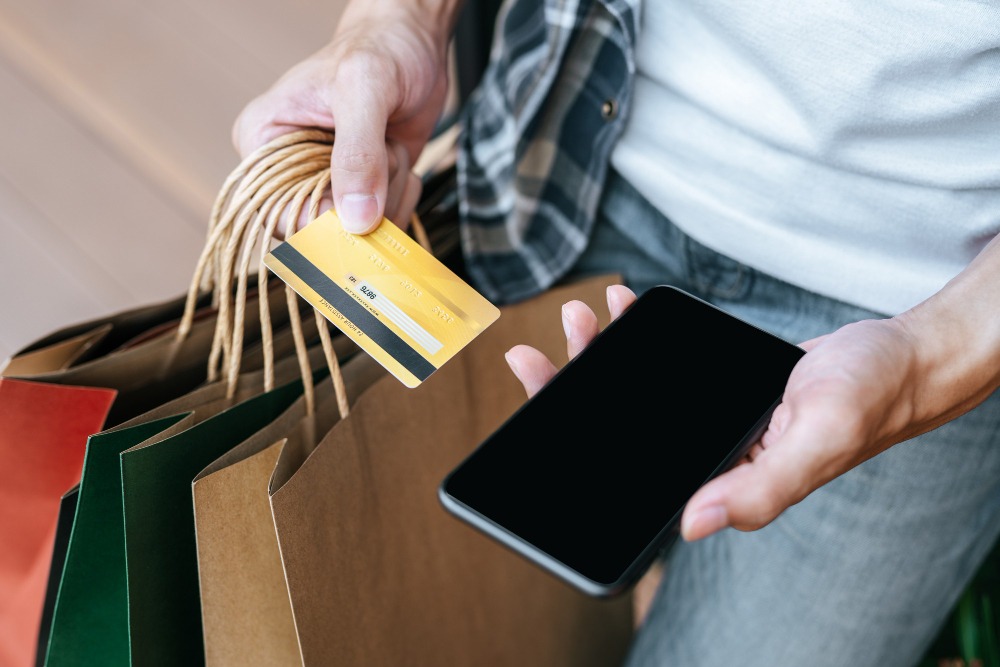
Consumers often look to financing when a product costs more than their usual spending limit, because breaking the price into smaller pieces makes it feel reachable instead of overwhelming. Predictable installments also reduce stress; people like knowing exactly what they’ll pay each month, without surprises. Common high-ticket categories include furniture, medical treatments, premium electronics, large home appliances, travel packages, and specialized equipment. When buyers can spread the cost, they hesitate less and feel more confident moving forward with the purchase. A smooth bnpl customer onboarding process further supports this confidence by making the steps clear, simple, and easy to complete.
Payment Models and Financing Structures for Large Purchases
Long-term installment plans for large purchases usually stretch from 6 to 36 months, giving buyers more room to manage higher costs. Short-term options exist too, but they’re typically used for smaller add-ons rather than big-ticket items. For larger amounts, approval steps often include a quick credit check and spending limits that match the customer’s financial profile. Interest is also more common here, since extended timelines create higher lending risk. Some merchants help lower the total cost by covering part of the financing fee, making the plan more appealing to buyers. Consequently, many customers ultimately choose Buy Now Pay Later services from Vellis, for instance, to access clear terms, manageable payments, and predictable repayment structures.
How High-Ticket Items and bnpl Improve Conversion & Average Order Value
High-ticket items and bnpl work together to lower the mental barrier that often stops customers from completing expensive purchases. When shoppers see they can split the cost into manageable payments, they’re more willing to move forward instead of backing out at checkout. Merchants use these flexible options to reduce abandonment by removing the “all at once” pressure that comes with large totals. This often leads to bigger carts, stronger conversion rates, and a smoother path to purchase. For both small and large retailers, offering simple installment choices also boosts competitiveness by matching customer expectations and helping them win sales they might otherwise lose.
Key Benefits of BNPL for High-Value Purchasing Decisions
Currently, some of the most crucial benefits of BNPL for high-value purchasing choice tend to include:
- Structured payments improve affordability: Customers can break a large price into smaller, predictable installments, making expensive items feel easier to handle without a heavy upfront cost.
- Instant approvals speed up decisions: Quick eligibility checks remove long waiting periods, helping shoppers move from interest to purchase much faster.
- Access to products that might be delayed: BNPL allows buyers to move forward with items they would normally postpone, such as appliances, travel, or medical needs, because the financial hit is softened over time.
- Flexible timelines fit different budgets: Customers can choose repayment lengths that match how much they’re comfortable paying each month, keeping spending balanced and manageable.
Challenges & Risks Associated With BNPL for Large Purchases
Challenges appear when large purchases create monthly installments that don’t fit a buyer’s real budget, leading to strain or missed payments. Some people also take on several plans at once, a problem known as “stacking,” which makes it harder to keep track of obligations and increases the chance of falling behind. Longer financing terms introduce added risks too, such as interest charges, late fees, and a higher total cost if payments stretch out over many months. Merchants face their own concerns, including fraud attempts, customer disputes, or defaults that can affect cash flow and increase operational pressure.
Evaluating Total Cost: Interest, Fees & Long-Term Repayment Considerations
When evaluating the full cost of a large purchase, it’s important to look at every component: interest, service fees, late penalties, and any limited-time promotional offers. Longer repayment periods usually come with higher interest because the lender carries more risk over time. If a payment is missed, penalties are added and the overall price of the item increases quickly, sometimes turning a manageable plan into a costly one. It also helps to understand the difference between 0% promotions and regular financing rates, promotional plans waive interest only for a set period, while standard APR applies from the start and can raise the total amount paid if the balance isn’t cleared on schedule.
Best Practices for Using BNPL Wisely on High-Ticket Purchases
When using BNPL for high-ticket purchases, consumers should first assess their actual affordability, ensuring monthly installments fit comfortably within their budget. Comparing providers is also key: look at total costs, transparency of fees, and the flexibility of terms before committing. It’s important to carefully read all disclosures and understand the repayment conditions, including interest rates, penalties, and deadlines. Smart strategies can further reduce costs, such as paying off balances early or avoiding long-term financing when shorter plans are available, helping buyers enjoy the benefits of BNPL without taking on unnecessary financial risk.
When BNPL Makes Sense—and When Traditional Financing May Be Better
It may make sense in cases when:
- Perfect fit for predictable, short-term plans: BNPL shines when you can comfortably manage installments and take advantage of 0% promotional offers.
- Credit cards or personal loans may win on cost: For longer-term financing, lower APR options can sometimes save more money than stretching BNPL over many months.
- Skip BNPL if finances are shaky: If monthly payments could stretch your budget too thin, it’s smarter to avoid taking on extra risk.
- Think beyond the purchase: Always weigh how repayments affect your overall financial picture, BNPL is fun for flexibility, but clarity keeps your wallet happy!
FAQs
What types of high-ticket items are most commonly purchased using BNPL?
Electronics, home appliances, furniture, healthcare procedures, travel packages, and specialized equipment are common high-ticket BNPL purchases.
Are high-ticket BNPL plans more likely to include interest?
High-ticket BNPL plans often include interest because long-term financing increases lender risk and potential costs.
Do BNPL providers require credit checks for expensive purchases?
Yes, high-ticket BNPL often requires credit checks for eligibility.
Is BNPL safer or riskier for large purchases compared to smaller ones?
BNPL is riskier for large purchases due to higher consumer debt and greater merchant exposure.
How can shoppers avoid paying more than expected with BNPL?
Shoppers can avoid extra costs by choosing affordable plans, reviewing all fees, and repaying on time.
References
SPD Strategy: Buy Now, Pay Later (BNPL) Technology: A Guide to Data-Driven Lending
https://spd.tech/fintech-development/buy-now-pay-later-technology
Re:amaze: Why You Need to Be Using Buy Now, Pay Later
https://www.reamaze.com/blog/buy-now-pay-later/
Ikeono: 3 Mistakes Retailers Make When Offering Buy Now, Pay Later
https://www.ikeono.com/blog/buy-now-pay-later-mistakes
SamCart: Boost Your Order Values and Conversions in a Challenging Economy – Without the Risk of Payment Plans
https://www.samcart.com/whitepapers/buy-now-pay-later
Split it: Buy now, pay later and big-ticket purchases
https://www.splitit.com/blog/payment-solutions-technology/buy-now-pay-later-and-big-ticket-purchases/
Leave a Reply