
It has become a widely used alternative to credit cards, especially for shoppers who prefer predictable installments and simpler approvals. The model appeals to people who want flexible budgeting without taking on long-term debt.
This article explores what BNPL is and how you can utilize it for your business.
Understanding the Basics
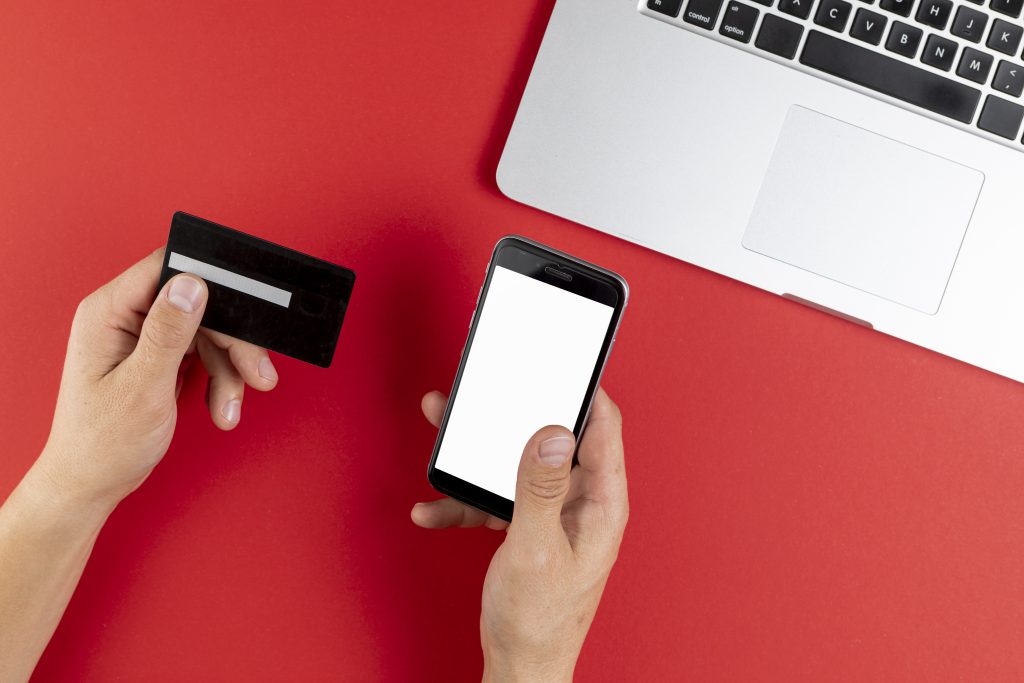
When people ask what is buy now pay later, they’re referring to a financial arrangement that allows them to purchase goods or services today and pay for them over time through installment plans. BNPL works both online and in-store, usually appearing as a checkout option alongside credit cards, debit cards, and digital wallets.
The process is straightforward: customers choose BNPL at checkout, undergo a quick approval, and agree to a repayment schedule. Many plans are split into four equal installments paid every two weeks, although monthly options exist. BNPL providers assess basic information such as identity, purchase amount, and past repayment behavior to decide approval without requiring the extensive credit checks used in traditional lending.
The future of BNPL reflects changing consumer behaviors. Compared to traditional credit, BNPL offers simplicity, transparency, and short-term commitments. Providers such as Klarna, Afterpay, Affirm, and PayPal allow users to shop across thousands of merchants and manage payments through apps, making the experience feel more like budgeting than borrowing.
How Typical BNPL Payment Structures Work
BNPL repayment structures vary, but most fall under three common models:
- Four-pay plans: The purchase is divided into four equal payments — one upfront and three more scheduled every two weeks.
- Monthly installment plans: Customers can opt for longer repayment periods, such as 3, 6, or 12 months. These may come with interest depending on the provider and the retailer.
- Fixed installment loans: Some BNPL options function similarly to short-term loans with fixed payments over a set period.
Payments are usually automatic, withdrawn from a linked card or bank account on the due dates. If a customer misses a payment, providers may charge late fees, suspend account access, or report the delinquency to credit bureaus depending on jurisdiction. Some BNPL offerings are interest-free, while others apply interest or financing charges based on the purchase type and risk profile.
What Is a BNPL Loan?
A BNPL loan is a type of short-term financing that allows consumers to split a purchase into scheduled payments, sometimes with interest depending on the product. Unlike standard consumer loans, BNPL loans are often smaller, faster to approve, and tied directly to individual transactions.
Regulatory classification varies by region. In some markets, BNPL is treated similarly to credit, requiring lenders to follow rules around disclosures, affordability checks, and consumer rights. In others, BNPL sits in a regulatory gray area with lighter oversight.
Terms, interest rates, and underwriting methods differ among providers. Some rely on soft credit checks and spending limits based on repayment history, while others use more advanced risk models. Because of this variety, BNPL for eCommerce can feel more flexible than traditional financing but they still carry financial obligations that borrowers must understand.
Comparing BNPL With Traditional Payment Tools
BNPL sits between credit cards and personal loans when it comes to structure and accessibility. Credit cards offer revolving credit with interest applied on balances, while personal loans provide lump-sum amounts repaid over fixed terms. BNPL, by contrast, offers purchase-specific financing with preset installments.
Approval processes are typically simpler for BNPL because providers lean on alternative data and repayment behavior rather than full credit histories. Interest charges may be lower depending on the merchant arrangement. However, credit cards provide more protections, broader acceptance, and rewards programs that BNPL currently cannot match.
Consumers may choose BNPL when they want predictable payments, prefer short-term commitments, or want to avoid revolving debt. Conversely, those seeking long-term financing or major purchases may still opt for credit cards or loans.
Risks, Fees, and Consumer Protection Considerations
Like any financial product, BNPL comes with risks and fees that users must consider. Late fees are the most common charges, applied when automatic payments fail or when customers miss due dates. Some providers also impose installment fees or account reactivation fees.
BNPL may or may not affect credit scores depending on the region and provider. In some markets, repayment history is reported to credit bureaus, which can help or hurt credit scores. The flexibility of BNPL can also tempt consumers to overspend or juggle multiple BNPL plans, making it harder to track obligations.
Regulatory agencies continue to examine BNPL products to ensure fairness in disclosures, affordability checks, and data usage. Consumers benefit from increasing oversight, but they still need to read terms carefully before committing to installments.
Key Use Cases: From Online Shopping to Business Services
BNPL originally gained traction in retail but adoption has expanded into travel bookings, medical services, education, and even professional services. Small businesses and freelancers use BNPL tools to manage cash flow, spread out expenses, or offer installment-based billing to their own clients.
In the digital retail space, BNPL for ecommerce plays a major role. Merchants integrate BNPL options to reduce cart abandonment and appeal to price-sensitive customers who prefer installments over upfront payments.
Businesses also benefit from BNPL through increased conversion rates, higher average order values, and faster checkout experiences.
BNPL Technology, Lenders, and Payment Ecosystems
BNPL relies on tight integration with merchant platforms, payment gateways, and checkout systems. This allows customers to apply for BNPL on the spot without leaving the shopping experience. Behind the scenes, providers use algorithms, identity verification, and transaction-level underwriting to assess risk in real time.
Banks, fintech companies, and third-party lenders all play roles in BNPL ecosystems. Some BNPL firms underwrite loans themselves, while others partner with banks to manage funding and regulatory compliance.
Key elements include lenders, interest rates, cards, banks, and payment infrastructure — all working together to create seamless financing at checkout.
What Is the Difference Between BNPL and Deferred Payment?
Many consumers wonder buy now pay later what is it and how it differs from traditional deferred payment plans. Although both options delay the financial burden, they function differently.
Deferred payment typically allows customers to postpone the full payment until a later date without breaking it into installments. The entire balance is due at once. BNPL, on the other hand, structures repayment through multiple installments, making it easier for customers to budget smaller amounts over time.
Deferred payment may also come with fewer protections and more stringent penalties if the deadline is missed, whereas BNPL provides predictable schedules and automated reminders.
Costs, Eligibility Requirements, and Consumer Considerations
BNPL providers consider several factors when determining eligibility: minimum age requirements, country of residence, valid identification, and banking details. They may also review past repayment performance and conduct soft credit checks to determine spending limits.
Costs and terms differ by provider. Some charge interest for long-term plans, while others apply fees for missed payments or optional services. Regulations, merchant agreements, and market conditions influence the overall cost.
In this context, businesses and consumers looking to purchase Buy Now Pay Later solutions should evaluate fees, repayment flexibility, app features, and consumer protections before choosing a provider.
Long-Term Industry Outlook and Regulatory Trends

As BNPL becomes more mainstream, government bodies are tightening rules around disclosures, credit assessments, fees, and data usage. Regulators want to ensure that consumers fully understand their obligations and that lenders offer responsible financing.
Competition is expected to increase among traditional banks, fintech companies, and retailers developing in-house BNPL features. Merchant adoption will likely continue rising as BNPL proves effective at boosting sales and customer loyalty.
Frequently Asked Questions (FAQs)
How does BNPL impact my credit score?
Some BNPL companies use only soft checks that don’t affect your score, while others may report missed payments or long-term installment plans to credit bureaus. Hard checks are rare but may occur for higher-value financing plans.
Is BNPL considered a type of loan?
Yes, in many cases BNPL is classified as a short-term loan, especially when it involves scheduled installments
What happens if I miss a BNPL payment?
Missing a payment can lead to late fees, temporary account suspension, or reduced spending limits. Some providers may reschedule installments or retry automatic payments, while others may report serious delinquencies to credit bureaus.
Do all BNPL services charge interest?
No. Many BNPL plans offer 0% interest on short-term “pay-in-four” options, while longer-term monthly plans may include interest or financing charges depending on the provider and the merchant agreement.
Can businesses use BNPL services?
Yes. Businesses use BNPL for customer purchases, equipment financing, invoice installments, and subscription services.
References
Consumer Financial Protection Bureau. (2022, September 15). Buy Now, Pay Later: Market trends and consumer impacts. Consumer Financial Protection Bureau. https://files.consumerfinance.gov/f/documents/cfpb_buy-now-pay-later-market-trends-consumer-impacts_report_2022-09.pdf
Cornelli, G., Gambacorta, L., & Pancotto, L. (2023). Buy now, pay later: A cross-country analysis. BIS Quarterly Review, December 2023. Bank for International Settlements. https://www.bis.org/publ/qtrpdf/r_qt2312e.pdf
Australian Securities and Investments Commission. (2020, November 16). Buy now pay later: An industry update (REP 672). ASIC. https://www.asic.gov.au/regulatory-resources/find-a-document/reports/rep-672-buy-now-pay-later-an-industry-update/
Leave a Reply